I filmed a lot of conversations at The Dunk Camp this year. Record holders, black bands, guys who have been in this sport since before some of the campers were born. The most interesting thing anybody said all week took about fifteen seconds, came from Jordan Kilganon, and was aimed at an eighteen year old who had never heard it before.
“eventually, there’ll be no more dunkers to compete with. So it’s gonna be competing with yourself.”
Jordan Kilganon
“I was always scared of that moment.”
Jordan Kilganon
The most famous dunker alive just told the room that the scariest part of the career is not losing. It is winning until there is nobody left to line up against.
Who He Was Talking To
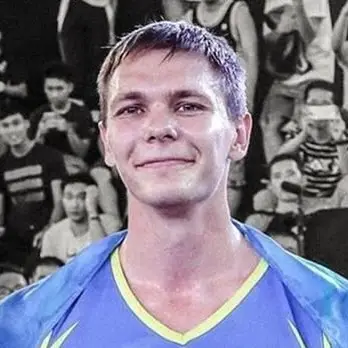
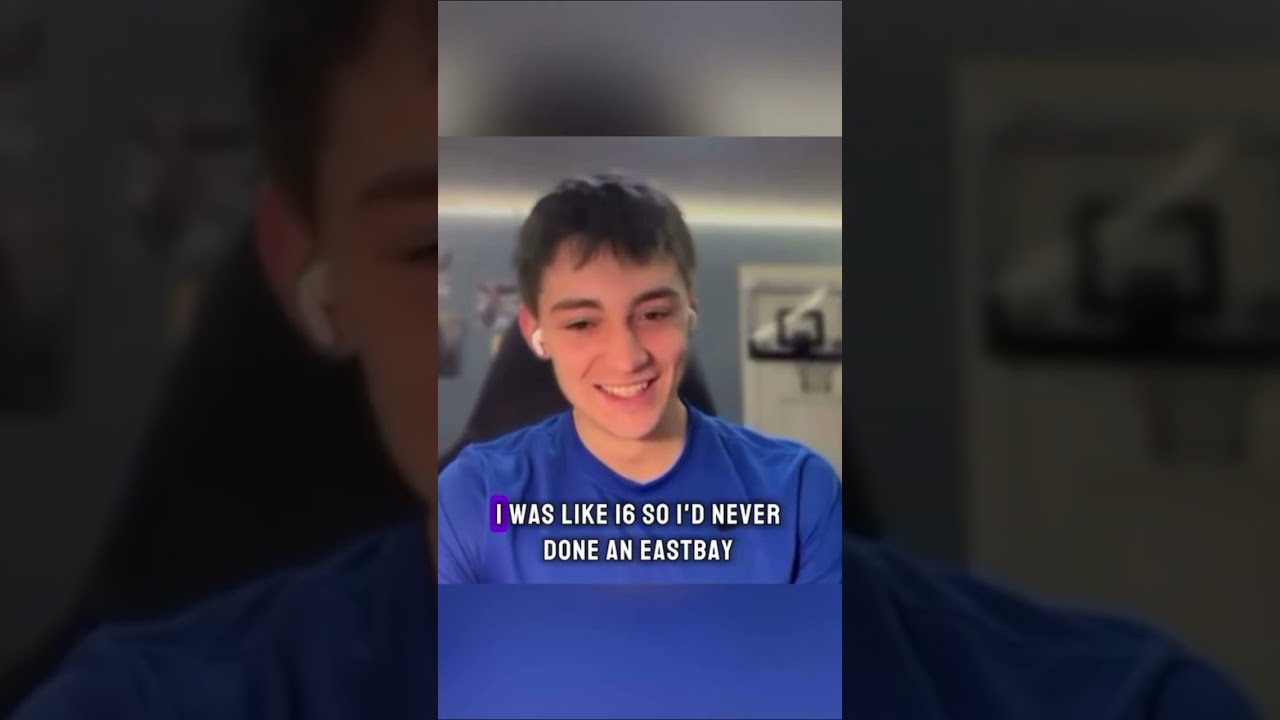
Polish dunker Piotr Zawiślak is eighteen, already black band, and was at this camp for the first time. He has said in every interview I have done with him that Kilganon is his inspiration for dunking and everything. That is not a media answer. You will see why in a minute.
So this is the version of the meet-your-hero video that usually goes nowhere. Kid meets legend, legend says nice things, everybody claps. That is not what happened. Kilganon gave him about ninety seconds of career philosophy that most dunkers never get, and he gave it in the order that actually matters: assessment, warning, then the thing he is afraid of.
The Assessment
“He’s 18 and he’s doing dunks that took me forever to make, so I’m excited to see what he’s got in the future.”
Jordan Kilganon
Read that again with the source in mind. Kilganon is the person whose dunks became the benchmark for what is possible in this sport. Him saying a teenager is already hitting dunks that took him years is not a compliment you hand out casually, and he doubled it later in the same conversation.
“There’s nobody that’s been this young that’s doing the stuff that he’s doing.”
Jordan Kilganon
Piotr’s answer on camera was two words: it’s gonna be scary. He meant his own future. Which is a fun line, and it is also the exact word Kilganon used sixty seconds later about something completely different.
The Warning Came Before the Philosophy
Before he got to the interesting part, Kilganon gave the boring part, and the boring part is the one that actually ends careers. He said the only thing Piotr has to focus on is staying consistent with his focus and appreciating what he has got. Then he acted out the failure mode: travelling all the time, doing crazy dunks, being one of the best dunkers in the world, and treating all of it as normal.
“No. You can’t have that kind of attitude.”
Jordan Kilganon
“You need to appreciate every moment and keep earning it.”
Jordan Kilganon
Everybody in this community has watched someone go through that arc. They get good, they get flown places, the shows start paying, and about two years in they stop training like the person who earned the invitation. The dunks do not get worse right away. The appetite does, and the dunks follow about eight months later.
Now the Part I Cannot Stop Thinking About
Kilganon told Piotr that right now he is aiming and competing mentally, in his head, with other dunkers. That is how this whole sport runs. You watch a clip, you decide you need to have that dunk, you go get it. Everybody in the top fifty is running on that fuel whether they admit it or not.
His point is that it is a fuel with a bottom. Get good enough for long enough and the list of people ahead of you empties out. There is no rival left to be annoyed by, no clip that makes you angry, no name you are quietly measuring yourself against. What is left is you and whatever you decided your standard is.
Then he admitted he was always scared of that moment, which is the most honest thing I have heard a dunker say on camera. Nobody talks about that. We talk about vert, about hand speed, about who is the best right now. Nobody talks about what motivates you after the leaderboard stops being interesting.
His Answer Was to Change What He Was Improving
He did not leave it as a problem. He explained what he did about it, and it is the origin story for the drills half of this community has copied.
“That’s why I invented the ball handling drills, is I can only jump so much, but I wanna keep getting better. How do I do that without jumping?”
Jordan Kilganon
That is a man hitting a physical ceiling and refusing to accept that the ceiling applies to everything. Vertical has a limit. Your jump caps out, and past a certain age the honest answer is that it caps out downward. Ball control does not work that way. There is no known top end on how fast and how clean you can move a ball around your body in the air.
So he stopped trying to win the jumping argument and invented a second argument he could keep winning. Half the trick bag that exists in freestyle dunking today traces back to that decision.
The Detail That Makes This Video Better Than It Looks
Here is the part I only caught after I sat down with all eight camp interviews. In a separate one, world record jumper Ethan Pimstone, who tested at 52.5 inches, asked Piotr where his hand speed comes from. Piotr said he found a drill on Jordan Kilganon’s channel and started doing it a lot. Ethan asked how often. Daily. Before an important contest he brings his ball to the gym and spends an hour on it.
So put the timeline together. Kilganon hits his jumping ceiling and invents the drills. A kid in Poland finds them on YouTube and does them every single day for years without ever speaking to him. The kid gets good enough to be flown to Utah. He meets the guy. He tries the drills in front of him.
“I was trying to do some of his drills, and I just couldn’t get it, and he was doing it with ease.”
Piotr Zawiślak
The student who trains the material daily still cannot match the author on his own exercise. I love that ending. It is also a reminder that the ceiling Kilganon hit on jumping is nowhere near where he is on hands. That whole conversation is up in Ethan Pimstone’s full camp interview.
Be Desperate
The closing instruction was five seconds long and I would put it on the wall of any gym.
“Be desperate to get better all the time with all your time possible.”
Jordan Kilganon
Desperate is a strange word to choose. It is not disciplined, not consistent, not any of the words that show up on training accounts. Desperate is what you are when you have not got the thing yet and you cannot stand it. Which is exactly the state he is telling Piotr to protect, because the danger of getting to the top is that you finally feel fine.
Piotr also said the part that made the whole interview land differently. He said Kilganon was hyping him up while he dunked, and that it was a pleasure to meet him not as a dunker but as a person. He wrote his own version in meeting the reason he started.
This got filmed because Dennis Yu and I ran a session at camp on how dunkers show up on Google and in AI tools, then offered to interview anyone who wanted one. The mechanics are in our repurposing system for athletes. Dunker Spotlight took the framework angle in his advice to young dunkers, Athlete Spotlight applied it to athletes in every other sport, and BlitzMetrics turned the drill origin into a lesson about hitting a ceiling.
Piotr is eighteen and the list of people ahead of him is still long. That is the good part of his career, and nobody ever tells you it is the good part until it is over.