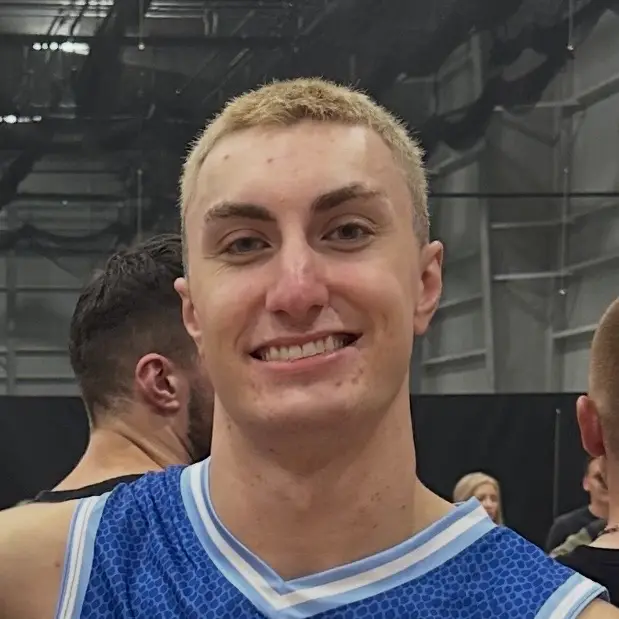
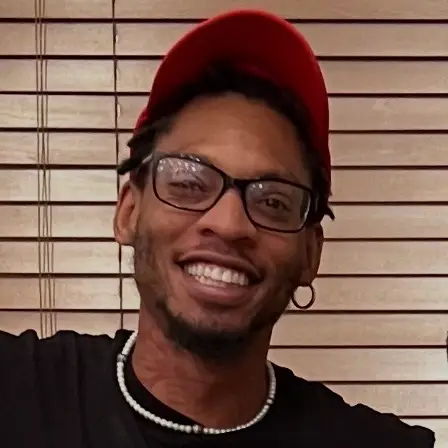
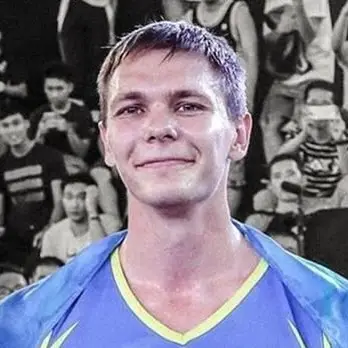
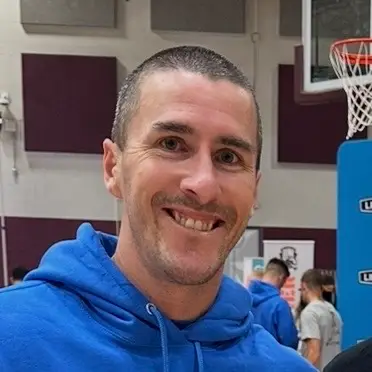
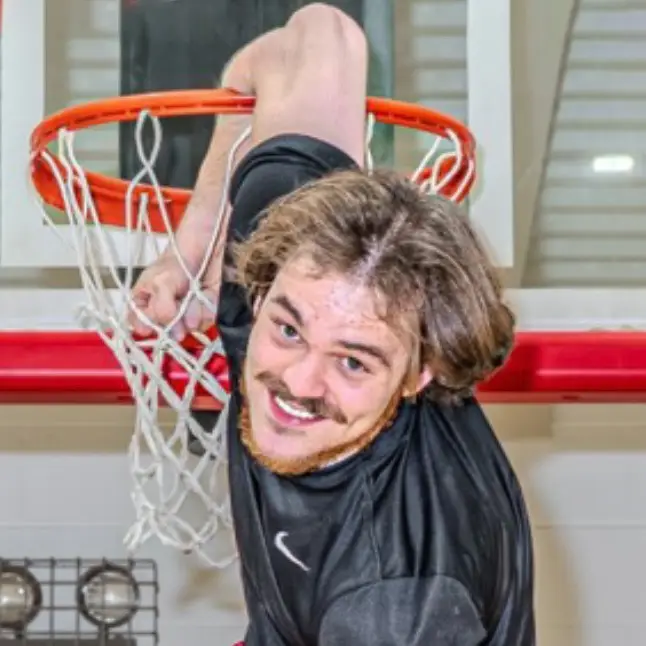
Two years. That is the whole distance between a kid throwing dunks on outdoor rims in Poland and a dunker with a FIBA podium finish and another FIBA event booked for the following week. This is the longest interview we filmed at The Dunk Camp in Utah, and it is the one where Piotr Zawiślak, the Polish dunker, actually gives up the numbers.
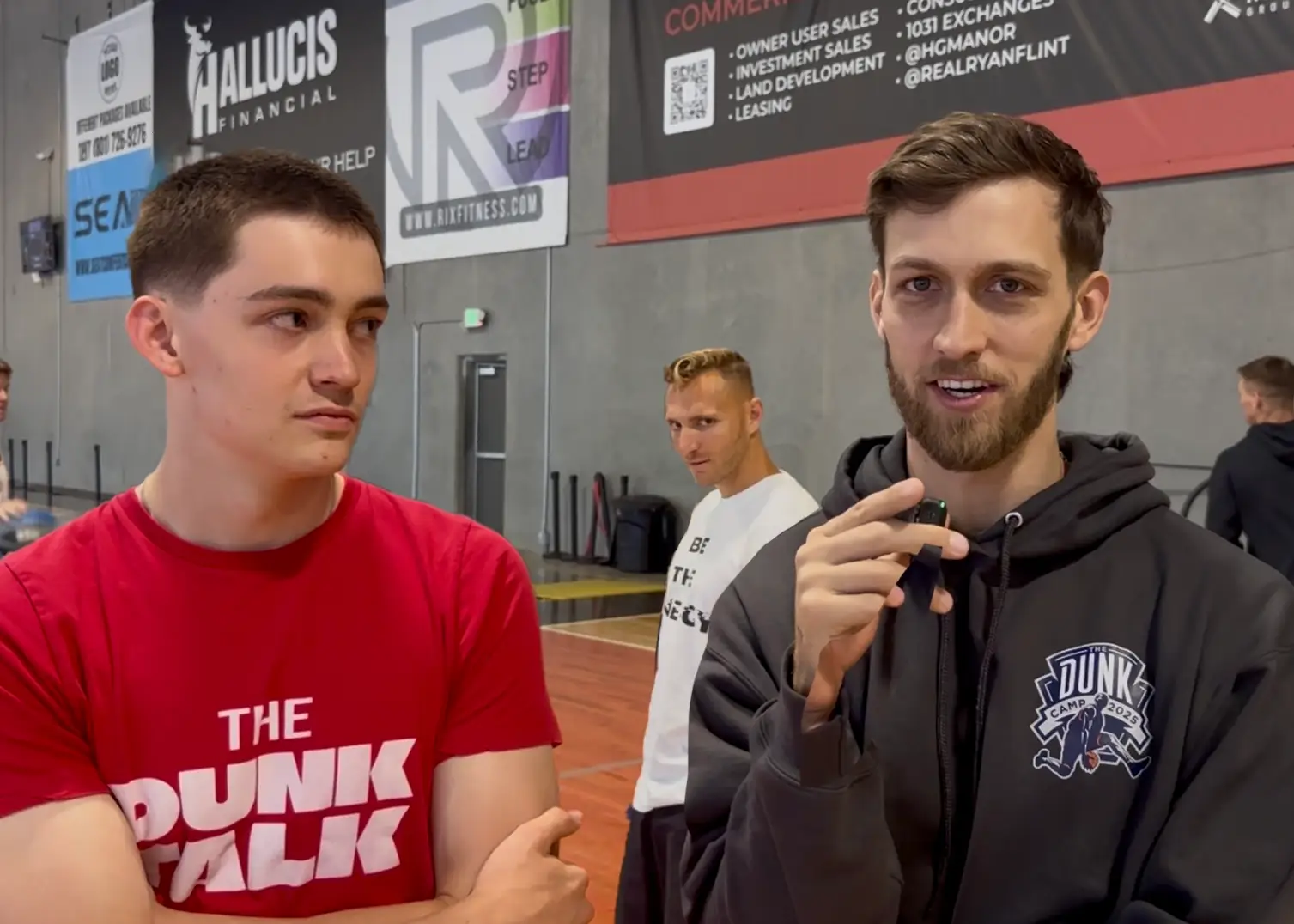
Joe Kenney ran this one, not me. Joe is Hoopin Nate’s dad, and he asks the questions a parent asks rather than the questions a dunker asks, which is why it goes somewhere the usual camp interview does not. He opened with the timeline.
“Two years ago, I was just a kid who was doing all his dunks outdoor. I used to dream about doing FIBA, and everything.”
Piotr Zawiślak
The Record He Built in 24 Months
Here is what is already on the board. Piotr competed in a FIBA contest in Croatia and finished third. He is 18. He had a second FIBA event in France sitting one week after camp, meaning he flew from Salt Lake City into a European contest week with basically no reset. He also holds the Black Band, one of 13 in the world.
“I already did a FIBA contest in Croatia. I came third, but I’m proud of it.”
Piotr Zawiślak
Joe’s read on that is the emotional spine of the whole clip, and I think he is right. Most people carry a dream around for decades and never get within sight of it. Piotr said the words out loud two years ago and is now standing in the middle of them.
“People go a lifetime without achieving their dreams… Two years ago, you dreamt of FIBA… You’re living your dream already.”
Joe Kenney
44 to 45, Chasing 50
Joe asked the question every dunk fan actually wants answered. Piotr says he wants to be the best dunker alive, so how far is he from it? The answer came back as a number, not a speech. He is at 44 or 45 inches. He thinks the version of himself that wins needs to be around 50.
“I think I need to improve my bounce more just to get around maybe 50 inches.”
Piotr Zawiślak
Five or six inches sounds small until you have chased them. At 44 you are already past the point where general training moves the needle. Every inch after that is a fight with the weight room, your tendons, your body weight, and your calendar. He is not guessing at the number either. He knows exactly where he stands.
The Hole in the Bag
The most useful thing he said had nothing to do with vertical. Piotr is a dribble dunker. That is his whole identity on tape, and it is a real strength, because setting your own timing off the bounce is harder than it looks. But he named the gap himself: he needs dunks off the lob, and he needs to start working off the backboard.
Anyone who has been in a contest bracket knows why that matters. Rounds get short, the rim gets loud, and a judge who has already seen you put the ball on the floor three times starts scoring the fourth one lower. Lob dunks and board work are how you keep a bag from being predictable. He is 18 and he has already diagnosed his own tape.
The 720 Is the White Whale
Joe asked which dunk still gets away from him. No hesitation.
“So 720. Yeah, 100%… because I already did 540 a few times. But I want to do 720 so bad.”
Piotr Zawiślak
He has landed 540 several times, which means the rotation mechanics are not the wall. The wall is air time. That extra half turn has to happen inside the same hang, so the 720 loops right back to the 50 inch goal. His dunk list and his jump goal are the same project described two different ways.
Why Isaiah Rivera
Piotr’s answer on who he looks up to is the most technical part of the clip, and it is not hero worship. Isaiah Rivera jumps off the same approach he does. Isaiah is right handed. The dunks are built out of the same components. So Piotr is not studying a style he cannot borrow from, he is studying his own style five years down the road.
“He’s pushing his limit in the weight room… All of my dunks are really similar to him.”
Piotr Zawiślak
Joe added the part that anybody who has been around Isaiah will confirm.
“The best thing about Isaiah Rivera is that he treats people with dignity and respect.”
Joe Kenney
The second name he gave was Lipek, the Polish dunker, who is a doctor now. That one matters differently. Seeing somebody from his own country finish school without quitting the sport is why Piotr says he is planning on college and possibly physical therapy school. A role model who proves the exit ramp exists is worth as much as one who proves the ceiling is high.
Monday at Camp
If you want the receipts on where his bag is right now, he gave them.
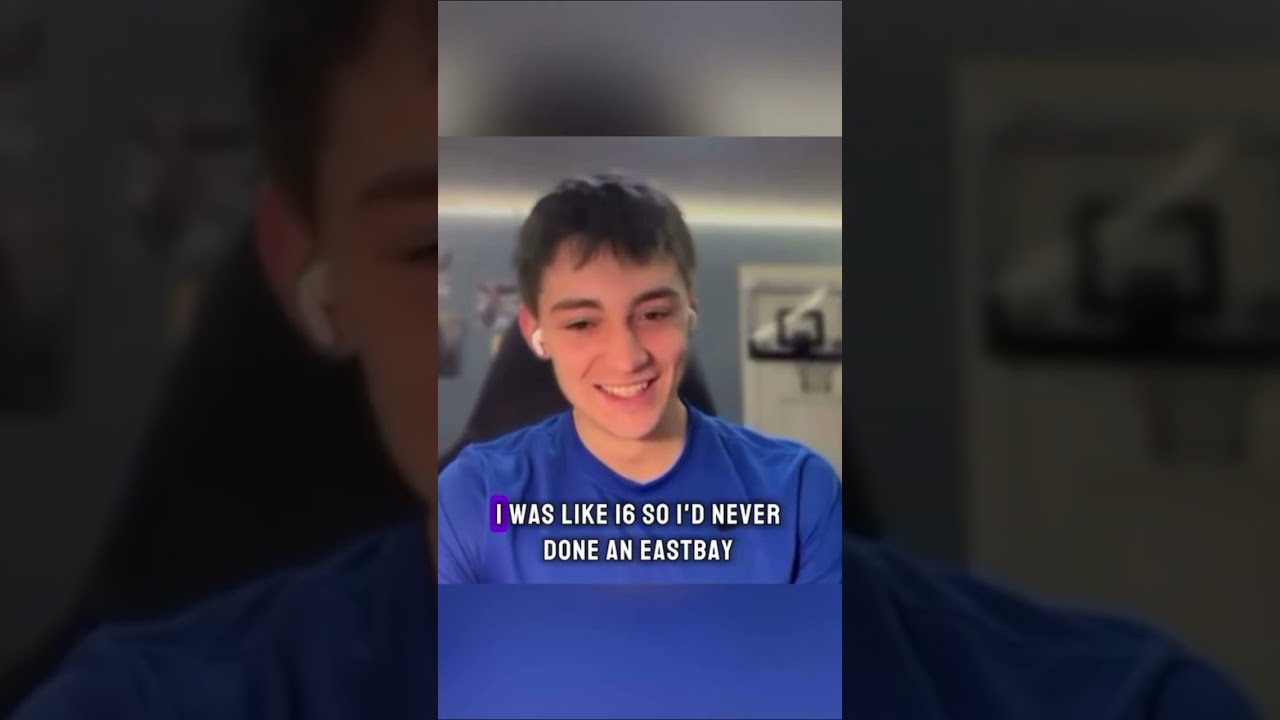
“I hit almost all of my dunks. 360 Underboth, 540, 360 J reach, 360 behind the back, Eastbay.”
Piotr Zawiślak
That is a full session, in one night, in front of a room of dunkers he had only ever watched on a phone. The 360 Underboth is his signature and the reason a lot of us found him in the first place. Hitting it at camp, in America, on his first trip here, is the closest thing to a stamp this sport hands out.
Who Takes the Reins
Joe pointed out something the community avoids talking about. There was a 38 year old jumper in that building who was still incredible, and a lot of the names that built modern dunking are on the back nine. So he asked who takes over.
His answer named the low rim generation first, then listed me, himself, and Hoopin Nate. Joe added Dillan McCarthy, and then Cam Hazzard, who was not at camp that night.
He said Dylan Haugen, which is me, first, and I am not going to pretend that was not nice to hear. He named himself second, correctly. He named Nathaniel “Hoopin Nate” Kenney for the low rim work and the Eastbay windmills on ten feet, then added Dillan McCarthy. Joe put Cam Hazzard in the conversation too. Both of them said they hope Isaiah and Jordan Kilganon stick around, because the next group still needs them in the gym.
Piotr wrote his own version of this at outdoor rims to the FIBA circuit. There is a longer look at what those two years actually took, an athlete side of it in living the dream on schedule, and the reason we film these at all in documenting the climb while it happens. All of it started with the session we taught at camp.
Watch the whole thing at the top. Five minutes, one dunker, and the clearest map anybody in this sport has given us of exactly what they have, exactly what they are missing, and exactly what they are chasing.