How Dunkers Can Build Their Personal Brand on Google, With Dennis Yu

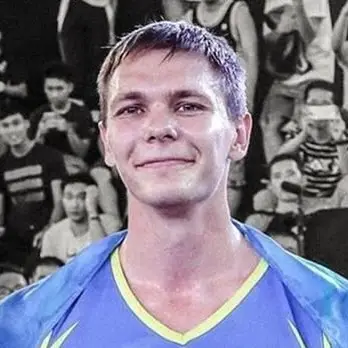
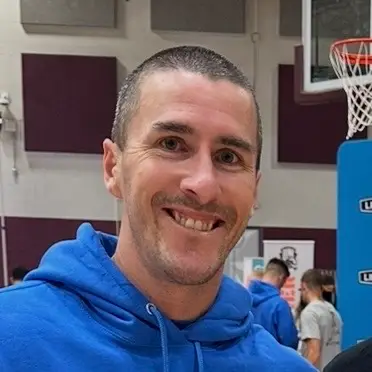
This is episode 59 of the Dunk Talk Podcast, and it’s a different kind of guest: probably the biggest one we’ve had, and most of you won’t know his name, which is itself the lesson of the episode. I’m Dylan Haugen, and Dennis Yu is a digital marketing veteran (early Yahoo search engineer, builder of websites for American Airlines and Raytheon, the guy whose team analyzed the deal when Yahoo nearly bought Facebook) who has spent the past months teaching me how dunkers get seen beyond Instagram. This very article, a podcast turned into a Google-readable blog post, is the method in action.

How a search engineer ended up at a Dunkademics session

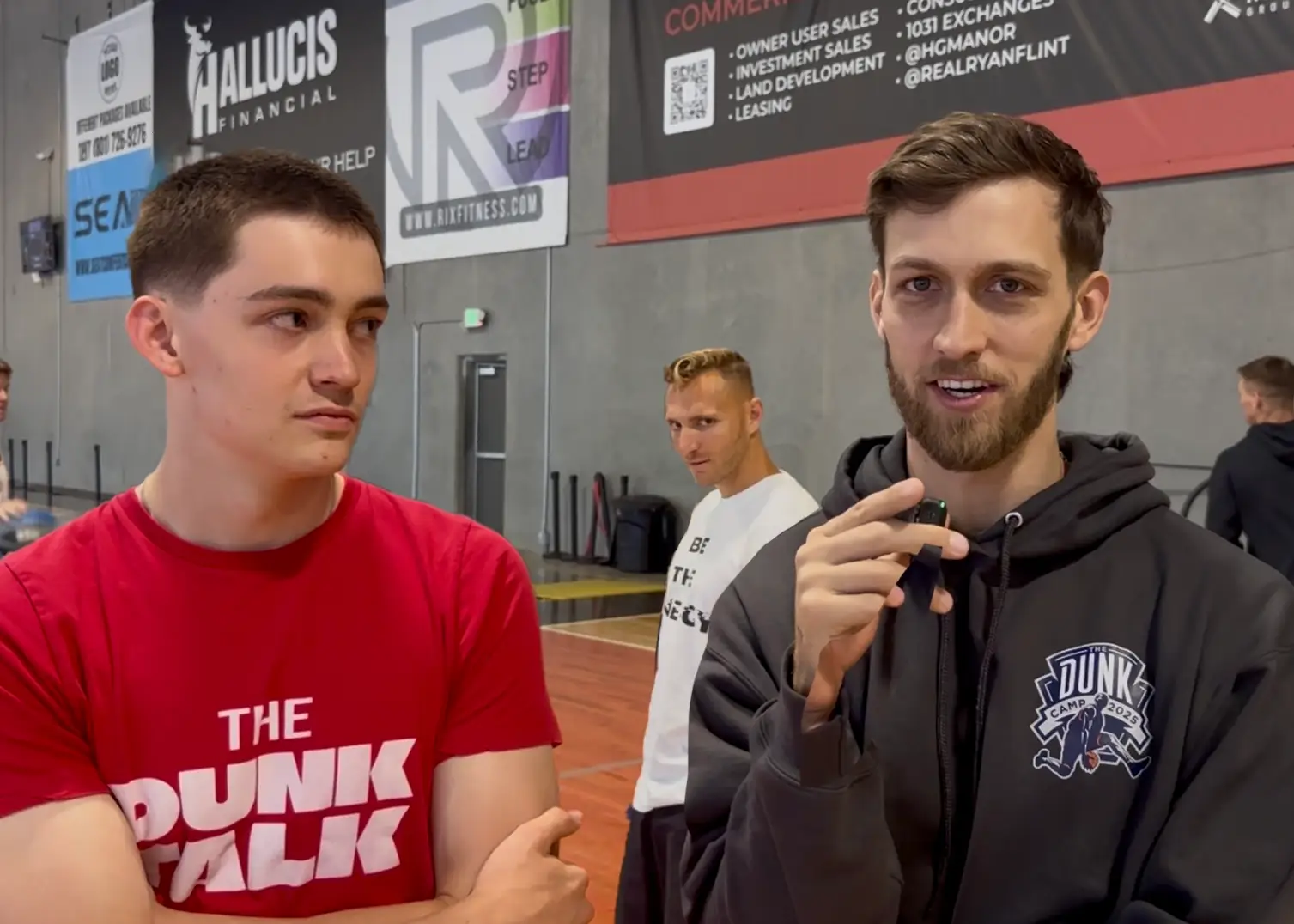
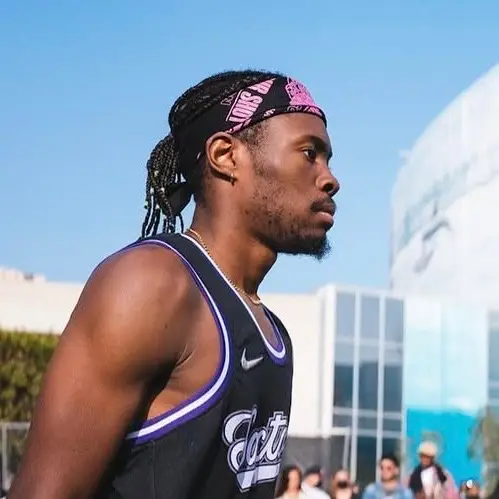
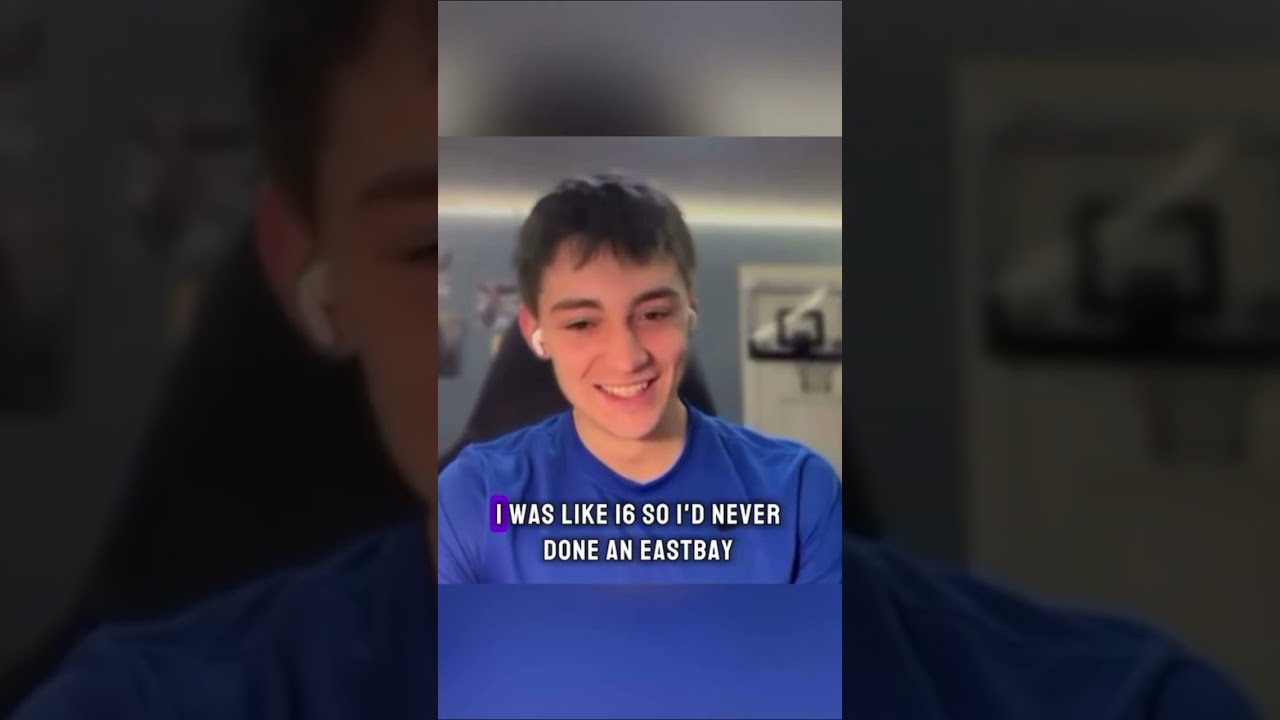
Dennis’s route into our world is genuinely great: a health collapse a couple of years ago, a doctor’s ultimatum, and a discovery that the treadmill is unbearable but trampoline basketball is not. He started spending two and three-hour sessions at Sky Zone, lost over 50 pounds, and along the way learned what an Eastbay is, started studying my videos and “the guy with the blue hair” (Jordan Kilganon, for the record), and found he could land versions of real dunks on the trampoline court. We connected over that on Instagram, he came to watch the Vegas Dunkademics session with Donovan and the guys, we got dinner and hit a trampoline park after, and he spent the evening showing a gym full of pro dunkers what their names look like on Google. I was the one who actually implemented it, and I’ve been working with him since.

His credentials, briefly, because they matter for trusting the advice: he was “the website guy” from the early internet onward, ran American Airlines’ web operation spending eight figures monthly, and as a Yahoo search engineer had visibility into 200 million searches a day. The pattern he found in all that data is the thesis of this episode: people who showed up across multiple connected platforms compounded; people who lived on one platform didn’t.

The dunk community’s blind spot

Dennis’s outside diagnosis of our community stung because it’s accurate: extraordinarily talented athletes, documenting training and nutrition and day-in-the-life beautifully… exclusively on Instagram, relying entirely on organic reach that evaporates in 24 hours, reinventing themselves post by post forever. His phrase: you can be the most talented person in the room, but unseen you’re the beautiful girl in the dark room. And the proof is embarrassing in the most useful way: when I publish a podcast episode about a dunker, my article frequently ranks number one on Google for their own name, because they have nothing else Google can read. They could own that result themselves with one YouTube channel and a handful of posts.

The economics behind it matter too. Dennis knows an influencer with 6.5 million TikTok followers who drives Uber because she’s broke. Views are not income. Google is where money actually changes hands: sponsors search you before signing you, clients search you before hiring you, leagues search you before flying you out. If your reason for posting is anything beyond hobby (sponsorships, editing work, coaching income, a future agency, everything we covered in episode 48), Google is non-negotiable.

The framework: trailer and movie, Google and Meta

Dennis’s mental model, stated simply enough to use today:

  • Short form is the trailer; long form is the movie. Reels and TikToks are commercials, highlights that earn the click. The podcast, the full session video, the blog post are where someone actually gets to know you, and where the relationship (and the deal) forms. They feed each other; neither replaces the other.
  • Respect the two empires. YouTube is owned by Google; Instagram is owned by Meta. Google will always favor YouTube; Meta will always favor Instagram. Build on both stacks and let everything else connect into them. My Google footprint exists almost entirely because years of long-form YouTube gave Google something to index.
  • One event is 50 to 100 moments. A single Dunk Camp, a single contest win, a single podcast yields dozens of clips, posts, stories, and articles. Most dunkers extract one post per event and discard the rest of the ore.
  • Blog posts are the refinery. Take the raw Zoom recording of a Donovan episode, turn it into an article, and suddenly you can link to Donovan, link to the dunk names, link to the shoes, link to everyone who was at camp, link to your coaches. Video can’t cross-reference; text can. Dennis calls the raw content coal and the refined article the diamond, and describes the whole exercise as “free money”: assets you already own, multiplied.

Honoring people is the engine

The part of the system I’ve enjoyed most in practice: the content that builds your brand fastest is content honoring other people. Articles about Donovan, about my coaches, about Justin’s dunk club, every one strengthens the web of names Google associates with mine while genuinely serving the people in them. Dennis’s first question before any tactic is “why are you posting at all?”, and if the answer includes inspiring dunkers and lifting up the community, the strategy and the mission turn out to be the same activity. That’s also the long-term plan for this very platform: grow it until the podcast pays the dunkers who come on, and get their stories onto Google where they outlive any feed.

The homework, if you’re a dunker reading this

  1. Google your own name. Sit with what you find (or don’t).
  2. Start the YouTube channel; post the long form. The session videos you already film are the movie.
  3. Get a personal-brand website with your name on the domain, and put your story, your stats, and your articles on it.
  4. Turn every podcast appearance, contest, and camp into written posts that link generously to everyone involved.
  5. Show up on more than one platform, anchored to YouTube/Google and Instagram/Meta.

None of it requires talent you don’t have; it requires treating the documentation you already do as assets instead of stories that vanish at midnight. Find Dennis at dennisyu.com (he is, naturally, extremely Googleable) and tell him a dunker sent you. Next episode: my full experience at Dunk Camp 2025. Peace out.

Scroll to Top