Mason Baker on Becoming a Pro Dunker in 18 Months, Founding the Utah Dunkers, and the NDL

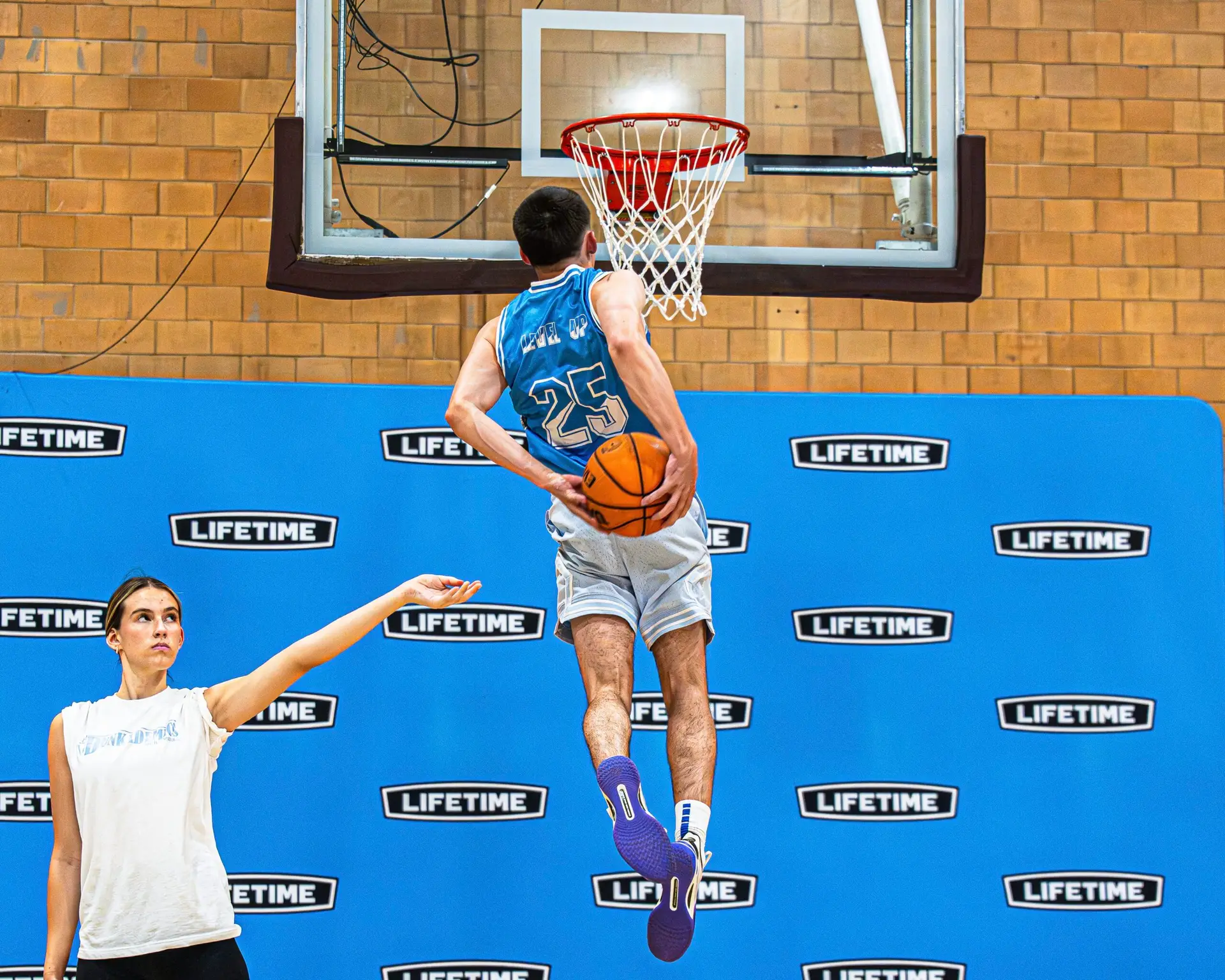
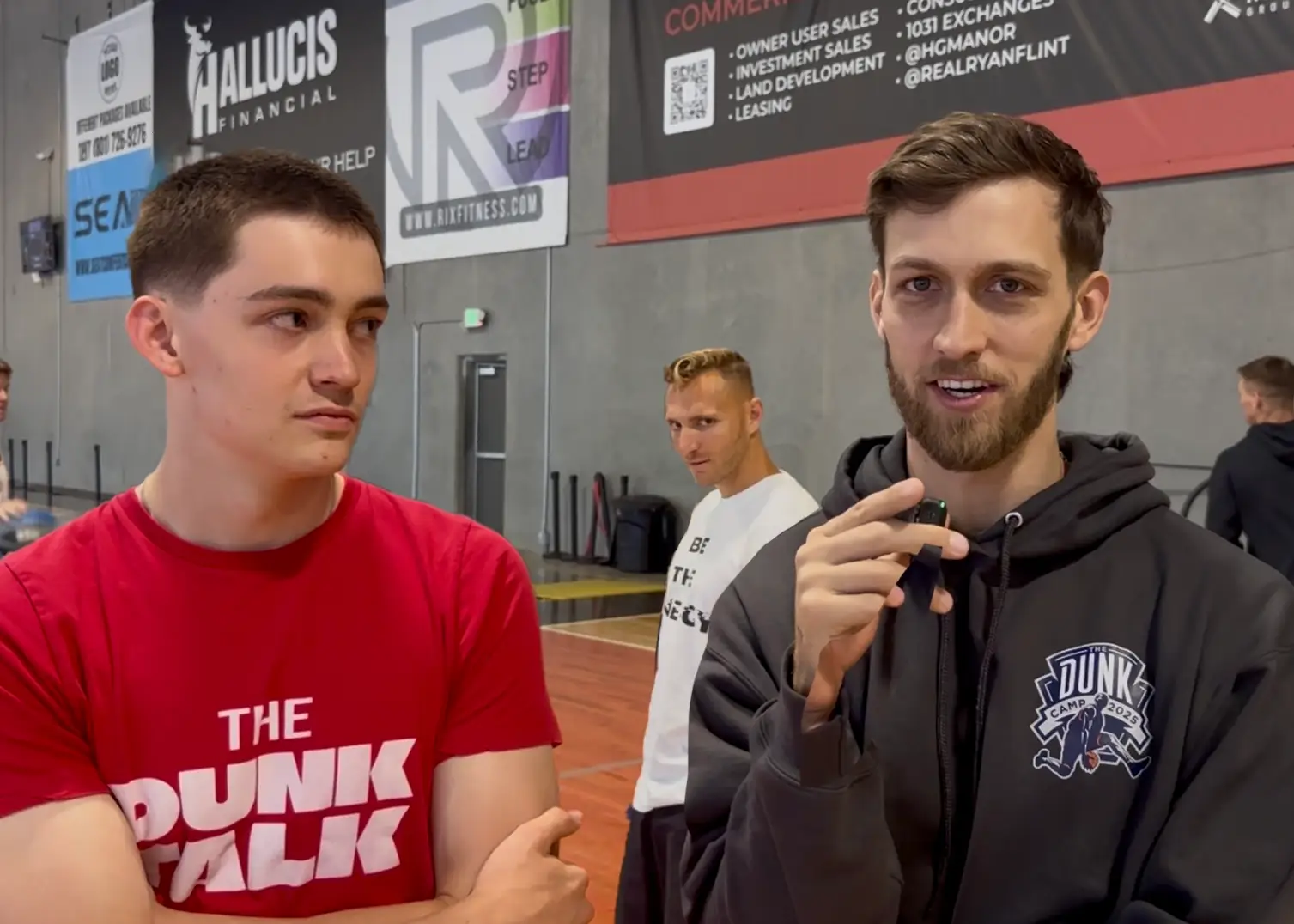
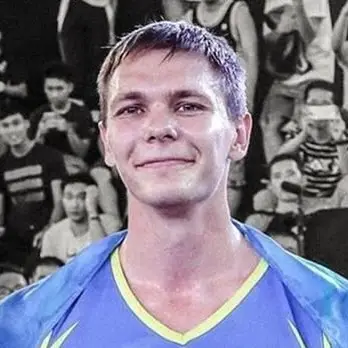
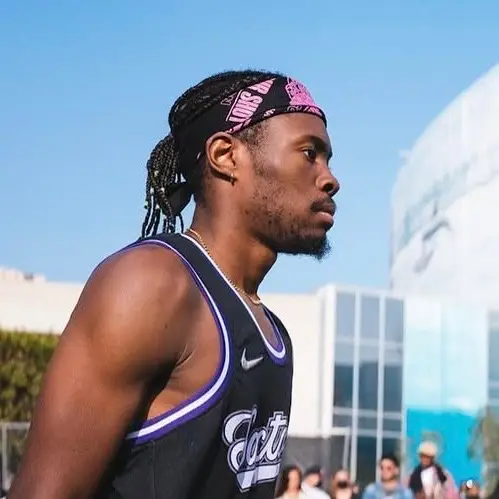
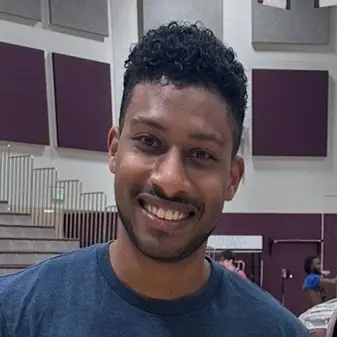
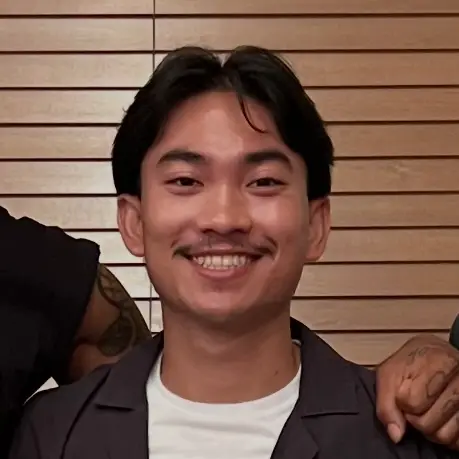
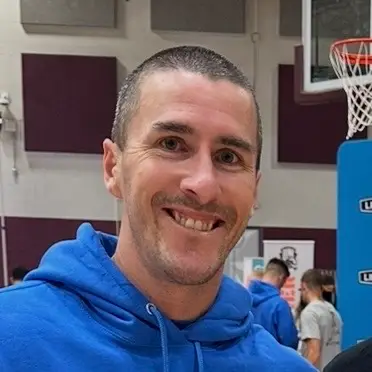
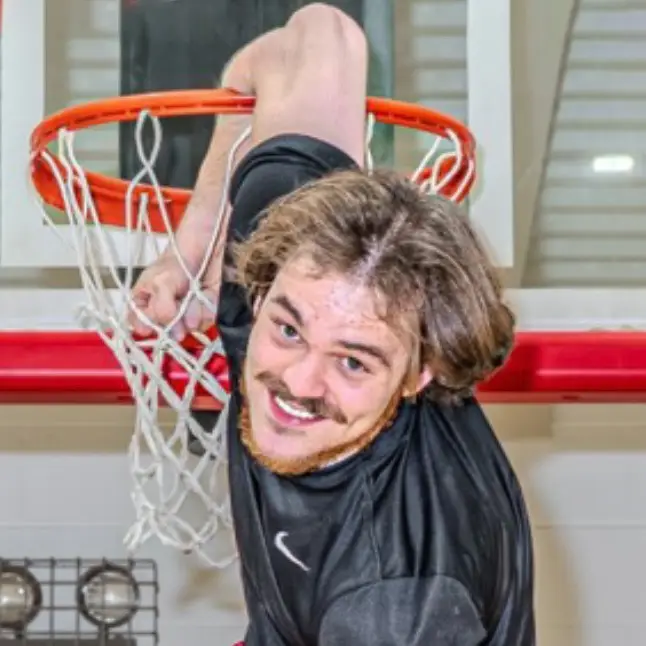
This is episode 20 of the Dunk Talk Podcast. I’m Dylan Haugen, joined by my co-host Hunter Castona, and the guest is Mason Baker, a 6’4” 21-year-old dunker from Utah and one of the founding members of the Utah Dunkers crew. Mason started really dunking around 18 months before this recording. He’s already done a pre-show at Dunk Camp, is on THP via the free access John Evans gave the Utah crew, and is in the conversation for the NDL (National Dunk League) inter-club contest format that he and the Utah crew helped pioneer. This is one of the fastest pro arcs we’ve had on the show, and Mason’s story is the cleanest case study yet for what a dunk-group / college-club ecosystem can do to a dunker’s curve.

From competitive soccer keeper to basketball by accident

Mason’s sports background is soccer. He was a goalkeeper in competitive club soccer through middle school and into early high school. Then he broke his left arm. Keepers can’t play one-armed, so he was out of soccer for a year. By then he was 6’ going into 9th grade, and his friends pushed him to try out for the basketball team. He showed up to freshman tryouts having barely played, didn’t score a single point across the entire week, and got cut from the sophomore-level team. He made the freshman team on the last day. He averaged about six minutes a game.

He played through high school, eventually started a couple varsity games, and finished his senior year averaging about six points a game. Nothing about that resume screams “future pro dunker.” The actual dunking obsession came from elsewhere.

Going to high school with Isaiah Rivera’s brother

The unique detail in Mason’s origin: he went to high school with Isaiah Rivera’s brother. Isaiah’s brother gave Mason actual dunk-technique pointers in person while Mason was still trying to land his first 10’ dunk. That kind of one-degree-of-separation access to a top dunker’s family is rare, and Mason credits it as a real part of why he stayed obsessed long enough to actually break through.

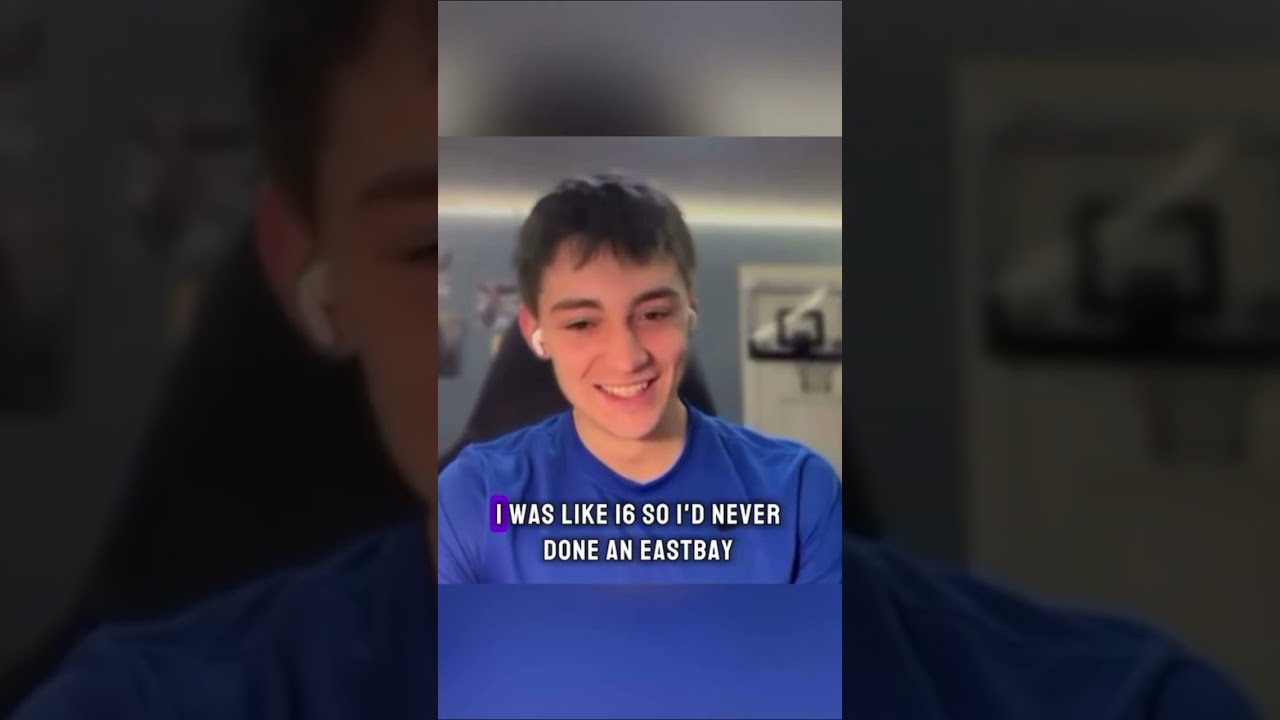
His first dunk came at the very end of his freshman basketball season at almost 16, on what was probably a 9’10” rim, around 6’1” tall. The actual hours he spent dunking came in basketball warmups (because he wasn’t getting game minutes) and through scrolling Jonathan Clark and Isaiah Rivera highlight videos in his basement. His goal was to land an Eastbay by senior year. He didn’t make it. He locked in seriously after high school instead.

The street-corner phone-number ask that started the Utah Dunkers

The actual moment Mason’s pro arc started was a random meeting on his college campus. Hyrum Perry (a guy Mason had never met, who had seen Mason dunk once and decided he was worth tracking down) walked up on the street and asked for Mason’s phone number to set up a dunk session. Mason’s response in the moment: “what is a dunk session?”

They did the first one. Then they recruited Travis Slayen (Mason met Travis in a pickup game where Travis was guarding him, and Mason dunked on him nine times before the game ended. Mason brings this story up every time Travis is in the room). Then the Utah Dylan came in. By the end of that semester they were running weekly sessions with 12 guys showing up.

That’s what turned into the Utah State University Dunk Club, officially registered as a student organization at USU. The first major rebrand came when Hyrum Fechser (the 48.5-inch vertical dunker from last week’s show) and Tre Finley started showing up to sessions. Neither was a USU student. Mason and the crew realized they wanted to use everyone for content together, so they widened the brand to “Utah Dunkers” covering the whole state. Current roster includes Mason, Hyrum Perry, Hyrum Fechser, Travis Slayen, Tre Finley, Kyle Cornell (40-inch vert before he got injured), and Dylan from Utah.

For the broader context on college dunk clubs forming around the country at the same time, the previous episode with Justin Blanchard at Winona State covers that arc directly. Justin and Mason both think Winona State beat Utah State to the official club registration by a couple of weeks, but the two clubs were running in parallel and the Utah Dunkers brand gained traction faster through content.

John Evans, free THP, and the start of real lifting

Mason didn’t do leg lifting until he was almost 21. His first squat reps were under his own bodyweight. The reason he started at all was John Evans (THP). John saw what Hyrum Perry was building with the Utah crew and offered THP free to the entire group. Mason got on the program around the same time the Utah Dunkers brand formed. About a year and a half before this recording.

The before-and-after on Mason’s vertical from that intervention is significant. Pre-THP, he was making basic dunks on 10’ with no programming, just volume and athletic talent. Post-THP, he’s landing trick dunks consistently and is in the conversation for arena halftime shows. Mason said on the episode that watching me train at 16 makes him wish he’d been in the weight room at 16 the way I am now. The leg-training-late curve is a real one, and Mason is the case study for what the upside looks like when someone finally locks in.

The Dunk Camp 2023 pre-show (and meeting Hunter)

Mason did the Dunk Camp 2023 pre-show as one of the standout dunkers in the event. That’s actually how Hunter first met him in person. Mason and the Utah crew came in as a group, and Hunter was a camper that year. Mason was dunking at a level that surprised Hunter even though Hunter had been tracking the Utah Dunkers content. Pre-show appearances are the doorway into the Dunk Camp show circuit, and Mason walked through it that year.

The pre-show was also where Mason started thinking of dunking as a possible career. Before that, even with the Utah Dunkers running weekly sessions and the THP access, he framed it as a hobby. He spent a couple days hanging out with John Evans before Dunk Camp 2023 talking about the NDL idea, the National Dunk League concept where multiple dunk groups compete in structured contests against each other. The conversation flipped his framing. From that point forward he was treating dunking as a career.

Rim heights, the “9’10.5” debate, and finding joy in sessions

Mason’s position on rim heights ended up being one of the most interesting parts of the episode and lines up with my own. Travis Reynolds dunks with a laser measurer in hand because he wants to know if his rim is 9’11.95” vs 10’. Mason respects the discipline. He doesn’t personally apply it because the lowest rim in his home gym is 10’1.5”, so he’d be giving up most sessions if he’d only count 10’.

His broader argument: the reason he started dunking is going to be the reason he keeps dunking, and that reason is fun. Spamming dunks on 10’1.5” for the technical purity would kill the joy. He marks “new dunks” only at 10’ (his black-band sessions are exclusively at 10’), but his weekly sessions are at whatever rim is available and feels right. He posts the height. The community knows. That’s enough.

This is the same position I’ve had (see the measuring rims episode) and Hunter is in the same camp. The line in the sand is honesty, not the specific number on the rim.

The NDL: inter-club contests, alternates, and why it’s on hold

The most interesting infrastructure piece Mason talked through was the National Dunk League (NDL). The concept John Evans floated with the Utah crew: every dunk group around the country submits their best dunks for a virtual contest. Judges score. Winners advance. The format scales to 10, 20, 50 clubs.

The Utah Dunkers, Minnesota Dunk Squad, Wisconsin Dunk Squad, and several others ran a few NDL contests last year. The format works. The problem is that dunking isn’t big enough yet for clubs to have alternates. When the Wisconsin crew has Hunter, JJ, CJ, Nolan, and Jeffrey, and three of them are injured or in college far from each other, the club can’t submit. Same for Minnesota. Mason says the same applies to Utah even with their bigger roster.

The NDL is on hold partially because of that. Mason and the Utah crew are betting that as the dunk groups grow (more members, more depth), the contest format will resume and become a real circuit. The arc he sees: 5 years from now, NDL is the de-facto college-and-club dunk competition system across the US, the way intramural leagues work for everything else.

Mason on solo sessions vs. group sessions

One of the strongest takes Mason brought to the episode: he flat-out doesn’t jump well alone. He needs other dunkers in the gym to perform. Group sessions give him perspective, ideas, and the adrenaline of seeing other people hit. Solo sessions just don’t produce the same output. This is the case for every dunker I’ve talked to who lives in a dunk group, and it’s the reason the group-sessions infrastructure is going to keep growing.

Mason’s prediction is that group sessions are going to be the way dunking becomes a real sport. Not professional contests. Not the NBA. Group sessions, scaling up into NDL-style competitions, scaling up into a national circuit. It’s slower than a pro-league-first approach but it’s more sustainable.

What’s next for Mason

The short list of Mason’s 12-month goals:

  • Land a clean 360 Windmill on 10’.
  • Eastbay consistency.
  • Behind-the-back on 10’.
  • More halftime show appearances.
  • Push the NDL infrastructure forward as roster depth allows.

He’s also one of the Utah dunkers most likely to be at Shaq’s DunkMan League as it spins up. The Utah crew has been at the front of the pre-pro pipeline for the last 18 months and a DunkMan League slot would be the natural next step.

Where to find Mason

Mason is “Mason B Dunks” on Instagram. The Utah Dunkers page covers the group sessions. Go follow both. Next episode is the Travis Reynolds interview on his dunk journey and injury history (Travis is the laser-measurer dunker Mason was talking about). After that, the Donovan Hawkins x Josh Ruble summer recap. Comment with any dunker you want Hunter and me to interview next.

Scroll to Top