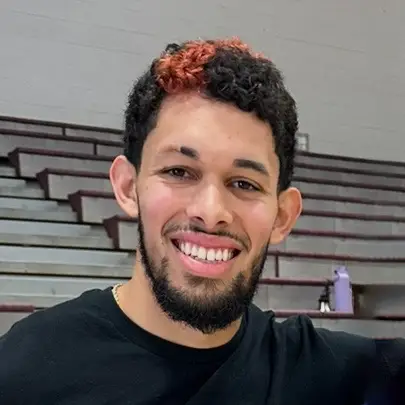
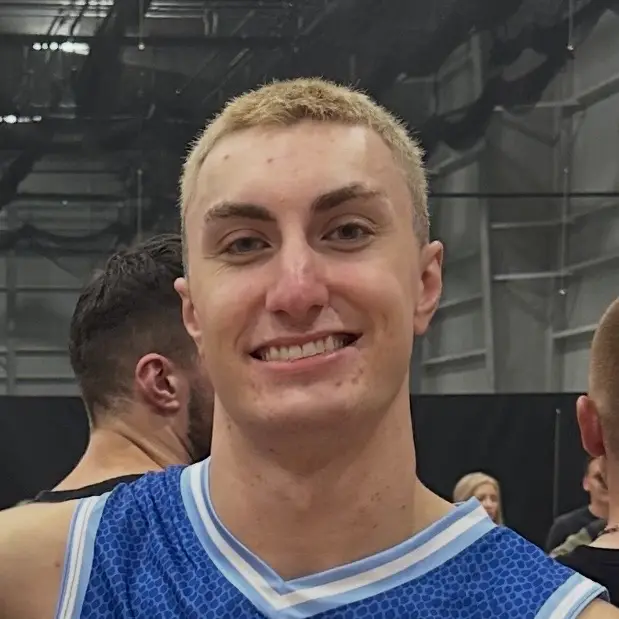
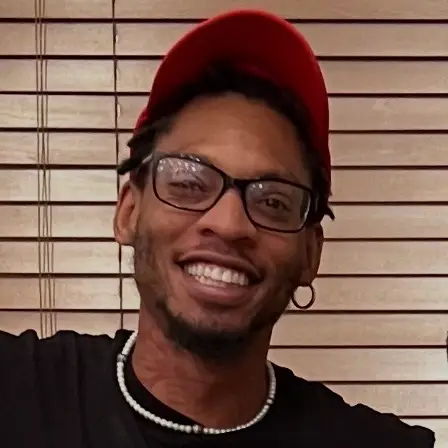
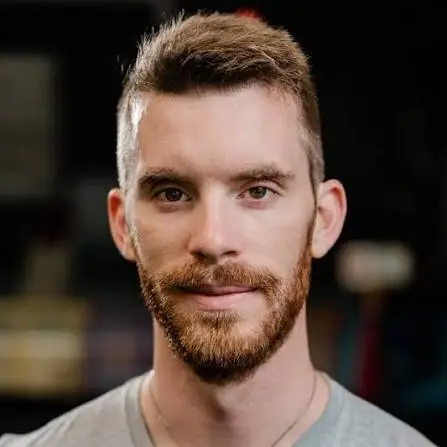
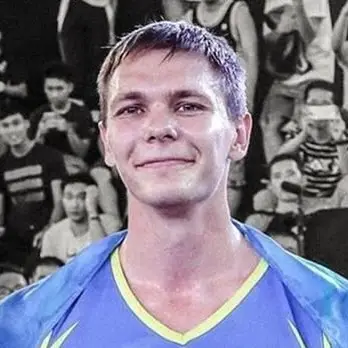
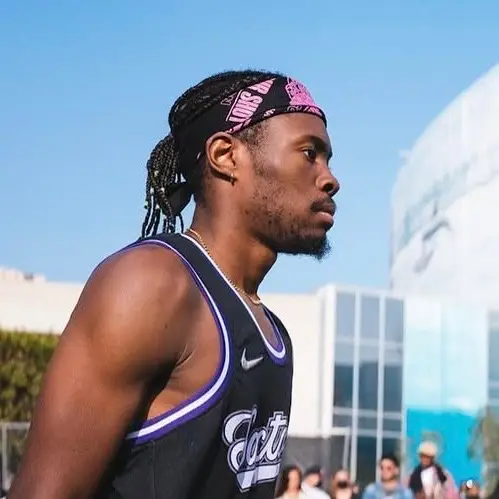
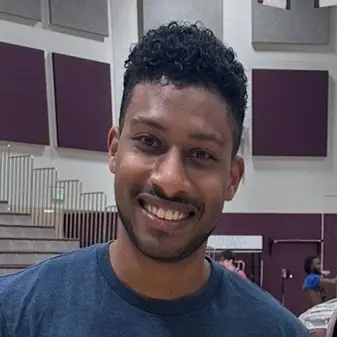
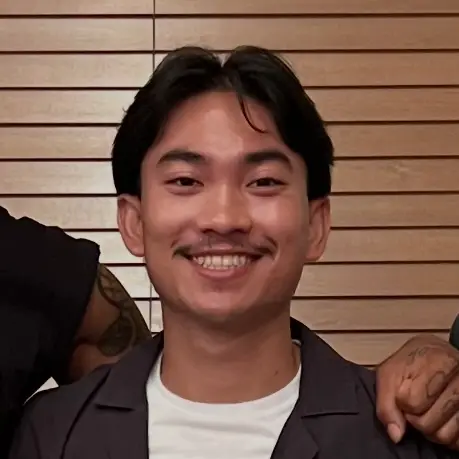
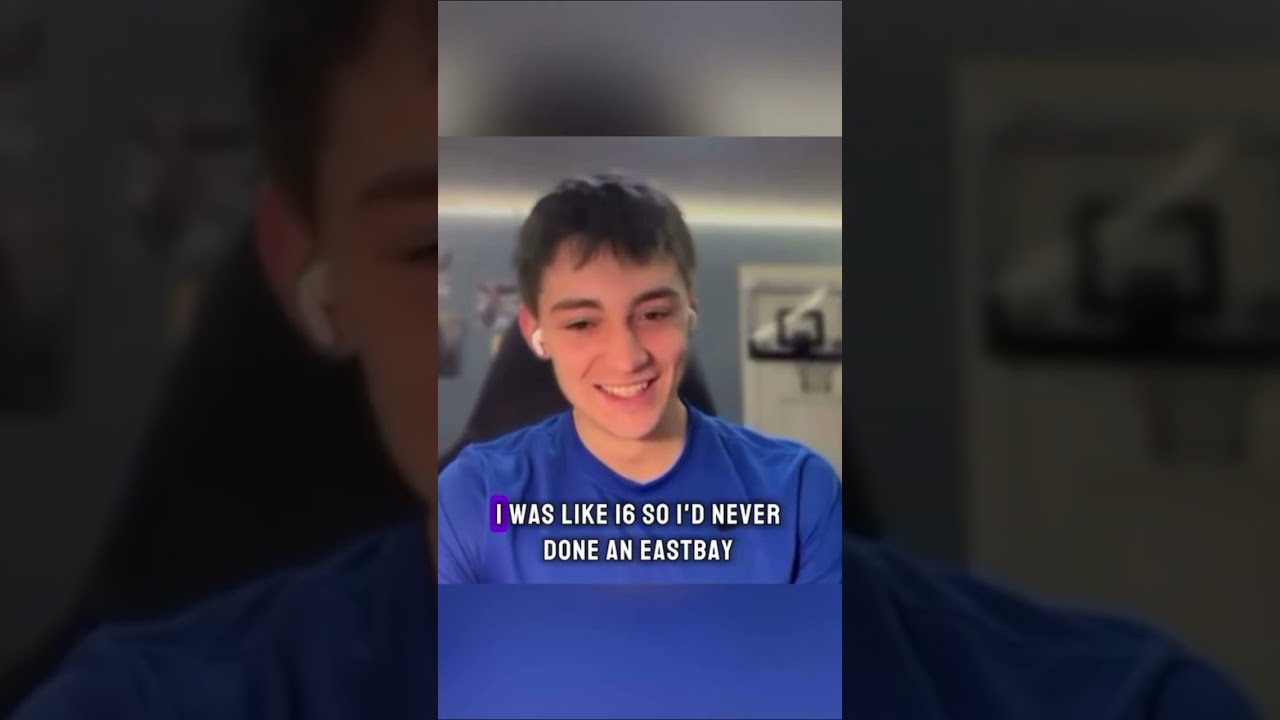
If I (Dylan Haugen) could go all the way back to the beginning of my dunk journey and start over with everything I know now, I would do a lot of things differently. In this solo episode, I break down exactly what I would change, what I would keep the same, and what advice I’d give to anyone who’s just starting out as a dunker. At the time of recording, I was 5’10”, 16 years old, with a 41.5-inch vertical — but the path to get here was far from perfect.
Where It All Started
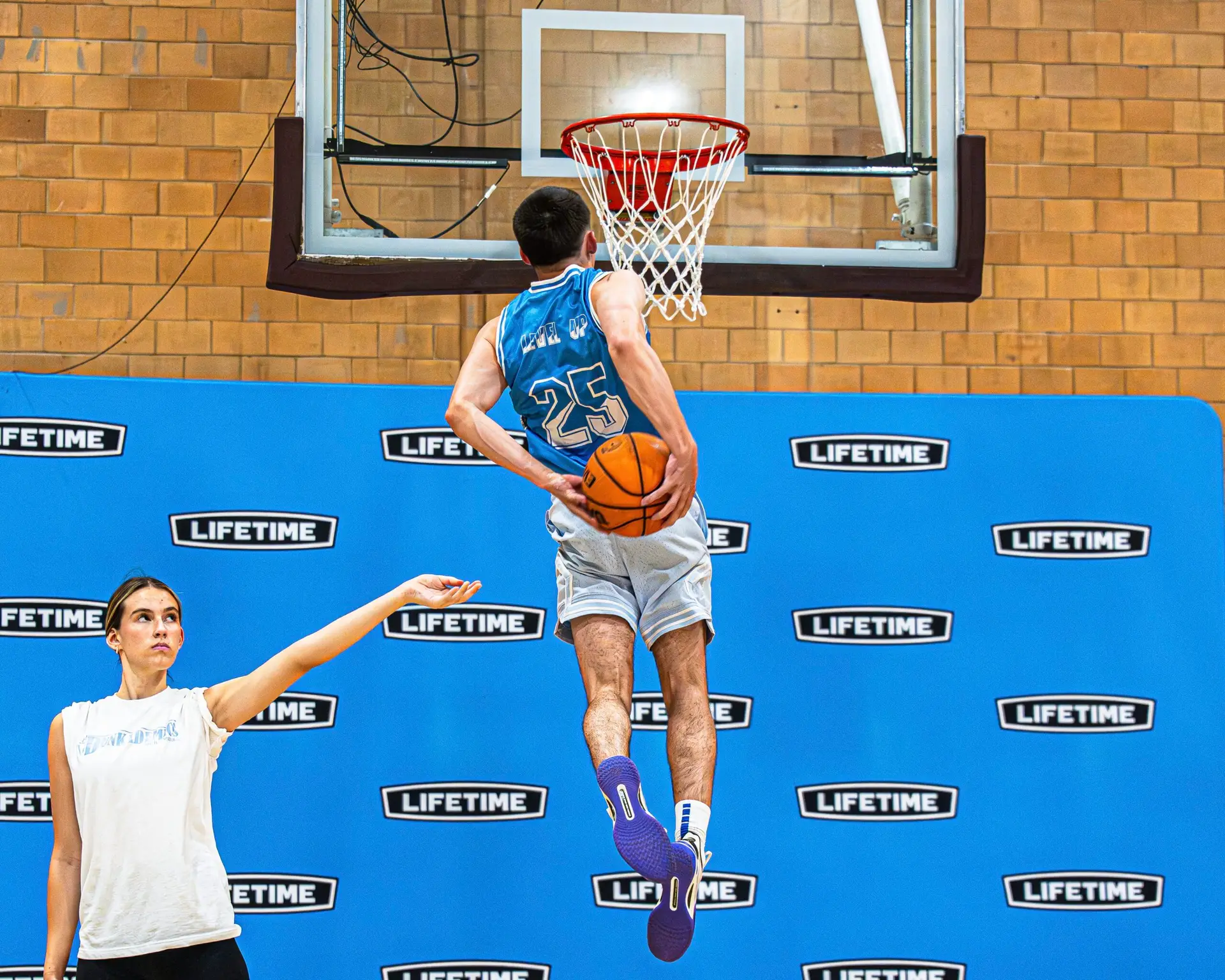
My first dunk came when I was 5’8″ and 13 years old. I was just a kid who loved basketball and was obsessed with getting above the rim. By 15, I landed my first Eastbay, and since then I’ve been consistently throwing down trick dunks and improving every year. But looking back, there are so many things I would have done earlier and smarter that could have accelerated my progress significantly.
Learn Your Jump Plant First
The first thing I would do from day one is learn what my jump plant is and study people with the same plant. When I first started jumping, I did all sorts of plants — left-right, right-left, one foot, left foot, right foot — everything. I was playing basketball and you don’t really get to choose your plant when someone’s guarding you. But once I figured out I’m a left-right two-foot jumper, I started studying guys like Jordan Kilganon and Isaiah Rivera who use the same approach, and that made a massive difference. If you don’t know what your jump plant is, do some research — Isaiah Rivera has a ton of videos breaking it down. Find your dominant plant, then find athletes who share it and study their technique.
Start Lifting Seriously Earlier
The biggest change I would make is getting serious about lifting from the very beginning. I started lifting when I was around 14, but I wasn’t consistent or intentional about it. I was lucky enough to have a personal trainer at a young age who taught me how to do power cleans, squats, and the fundamental lifts — and because of that head start, my lifting technique is way better than it could have been. If I could restart, I’d be in the weight room with a real program from day one. Squats, trap bar deadlifts, and building a solid strength base early would have compounded into way more vertical gains over time. The strength work is what separates dunkers who plateau from dunkers who keep climbing year after year.
Use Low Rim Sessions Strategically
Low rim sessions are one of the best tools for developing your dunk technique, and I would have used them more intentionally from the start. Instead of just messing around on low rims, I would have treated them as dedicated practice time to work on specific dunks — dialing in my Eastbay timing, practicing 360 spins, getting my windmill comfortable. The technical side of dunking is just as important as the athletic side, and low rim work is where you build that without the physical toll of going full height every session.
Get a Coach or Program
Last October I joined forces with JumpX, which is a coaching service based out of Australia. Tom Barnes and Austin Young are the main coaches, and then they have Brody Stevens — a really good professional dunker — who helps with technique. Since joining them, I’ve gotten insanely stronger, my vertical has gone up 4 inches, and I’ve just gotten better overall. Finding a coach or program that works for you is going to be very beneficial. It helps you periodize your training, it gives you accountability, and it takes the guesswork out of what you should be doing each day. If I were starting over, I’d find a solid coaching service or training program as early as possible.
Nutrition and Recovery From Day One
Nutrition is something I didn’t take seriously until much later, and if I were starting over, I’d fix that immediately. Tracking protein, eating clean, and actually fueling my body for performance instead of just eating whatever was available would have made a noticeable difference in my recovery and my gains in the weight room. The training doesn’t matter as much if you’re not giving your body what it needs to recover and grow.
Find a Community Sooner
One of the best things that happened to my dunk journey was connecting with other dunkers — whether that’s through Dunk Camp, social media, or local groups. If I were restarting, I would find a community immediately. Having people to session with, compare notes with, and push you competitively makes an enormous difference. Training alone is fine, but the progress you make when you’re around other dunkers who are chasing the same goals is on another level entirely.
Track Everything
Finally, I would be way more disciplined about recording my sessions, tracking my lifts, and documenting my progress from the very start. Looking back at old footage shows you how far you’ve come, but it also helps you identify what’s working and what isn’t. A training journal, consistent video documentation, and regular vertical testing would be non-negotiable if I were doing this all over again.
Watch the full episode above for my complete breakdown of what I would change about my dunk journey. Subscribe to the Dunk Talk Podcast on YouTube and follow me on Instagram @dylanhaugen23 for more dunk content.