Breaking Down the $1,000 Dunk Camp Contest With Winner Andy Behle (and the 50-Inch Volleyball Player Nobody Saw Coming)

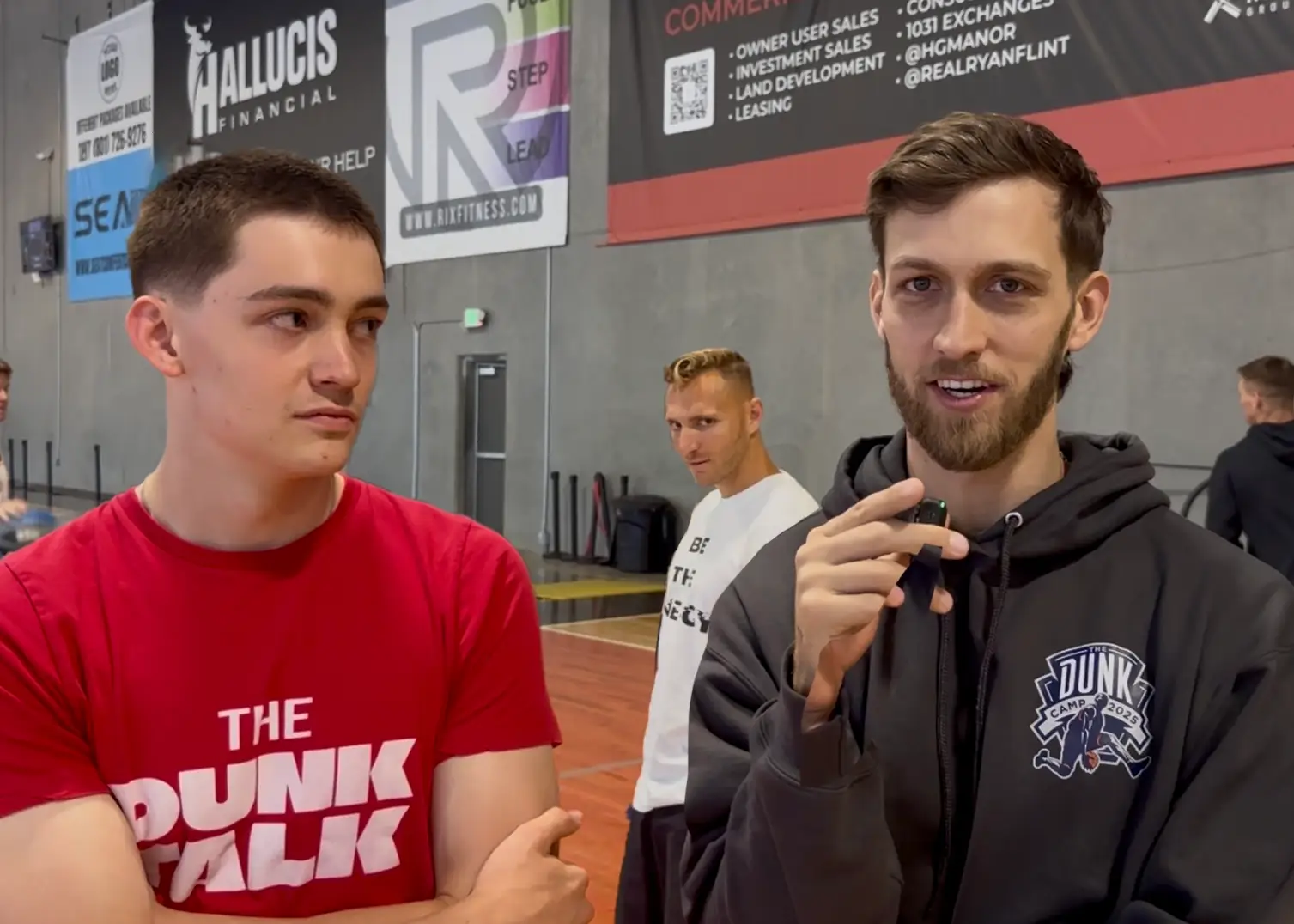
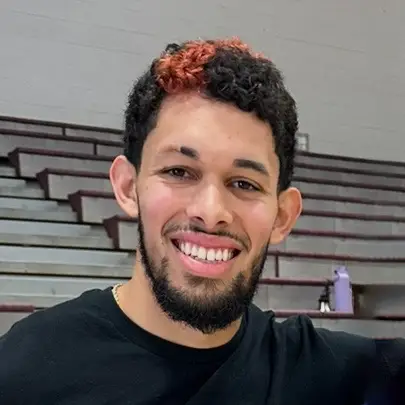
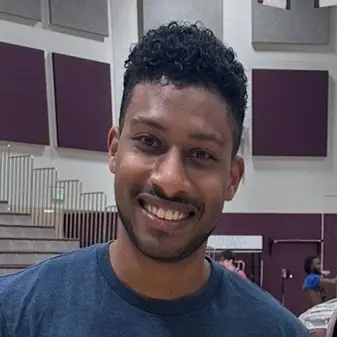
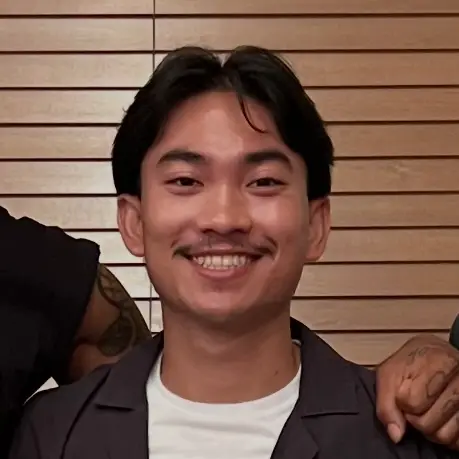
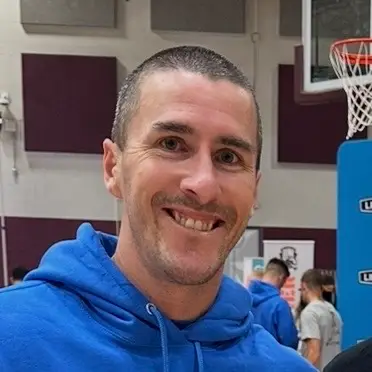
This is episode 52 of the Dunk Talk Podcast, and it’s the payoff episode: Andy Behle came on the show, said he’d bet on himself in the $1,000 Dunk Camp contest in Utah, and then won it two days later. I’m Dylan Haugen, with Hunter Castona, and Andy walked us through the full contest footage with insider commentary. The prize: $1,000 plus a free entry to Dunk Camp, so we’ll see him there. The bigger story might be the guy who finished second in scoring while barely dunking.

First, the vert contest: Isaiah Espinosa tested 50

Before the dunks, the event ran an official vertical test, and it produced a bombshell: Isaiah Espinosa, a 20-year-old volleyball player, tested a verified 50-inch vertical, measured before and after with consistent numbers, with what John Evans and Isaiah Rivera later described on their own podcast as roughly a one-second flight time, the highest they’ve ever seen on a 50-inch Vertec jump. Hyrum tested 48 on what was, by his standards, a bad day, and the 48 wasn’t even the headline.

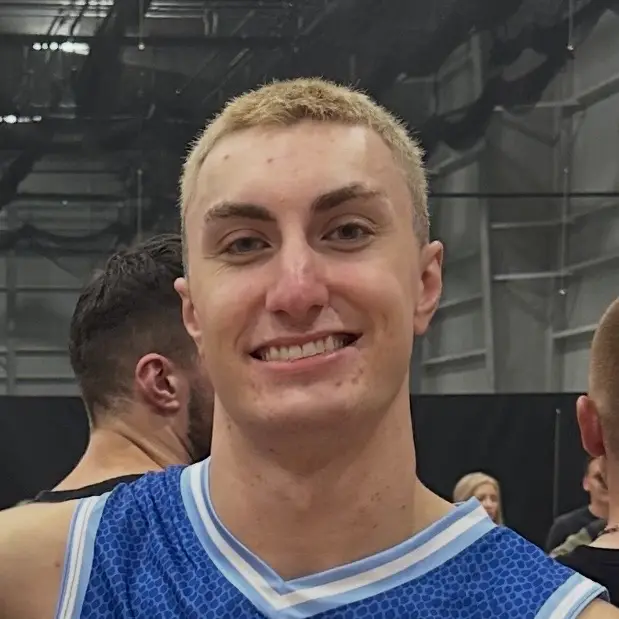
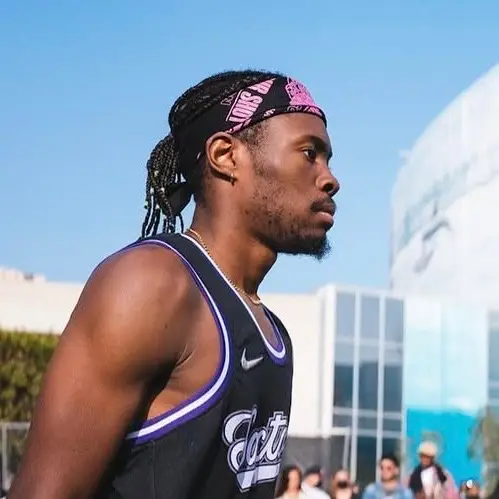
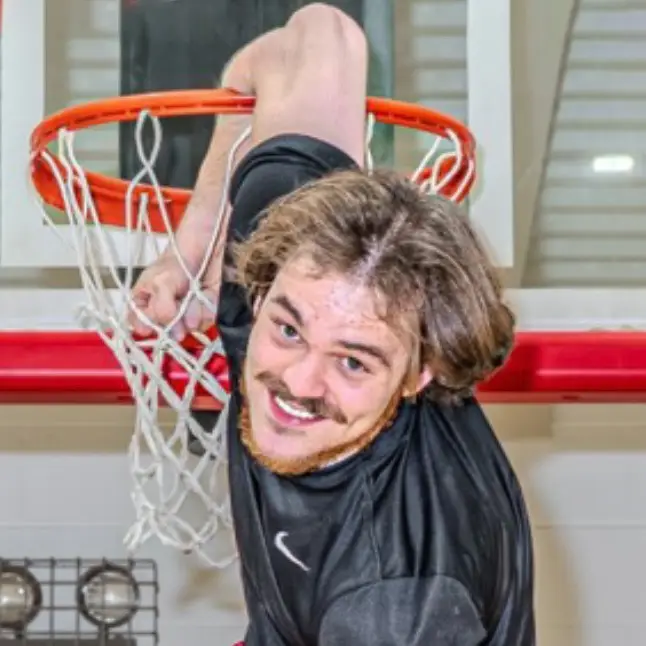
Espinosa is the most fascinating figure in this whole video. He doesn’t train like a dunker (general overtime-athlete style work, coaches volleyball clients), hadn’t dunked in three or four weeks before the contest because of volleyball, and warm-ups consisted of casually tossing himself lobs with his head at the rim. He entered the dunk contest on a whim after winning the vert test, scored nearly 100 in the first round, and that score carried him into the finals despite missing everything in round two. Watching him attempt an Underboth with that bounce and no dunk-specific training, all three of us reached the same verdict: somebody needs to train this man like a dunker, because 52 inches is plausibly in there. THP, JumpX, somebody: steal the volleyball player.

The format, and our honest review of it

Round one: three mandated dunks for everyone (one-hander, Windmill, Reverse Pump), one attempt each, scored on the WDA system minus complexity (flight, style, finish). Round two: open dunks, full WDA scoring including complexity, two attempts, with rounds one and two averaging into the cut. Finals: top three.

The one-attempt round split the panel productively. The case for it: it rewards the consistency that every pro on this show preaches, and it forces real decisions about how much style to risk when a make is mandatory. The case against, which I feel strongly: anyone can miss one Windmill, and a format where Kilganon could exit in round one off a single hard-punched miss is measuring luck at the margins. Worse, it fights its own scoring: the rubric rewards flight, style, and finish while the single attempt incentivizes minimizing all three to guarantee the make. Our proposed fix is simple: two attempts, so round one can be both a consistency check and an actual display. It also structurally favors taller dunkers and off-dribble power guys, which Andy, a one-dribble Westbrook-style power finisher who was never good at lobs anyway, cheerfully acknowledged worked in his favor while correctly noting he also just didn’t miss.

The contest, beat by beat

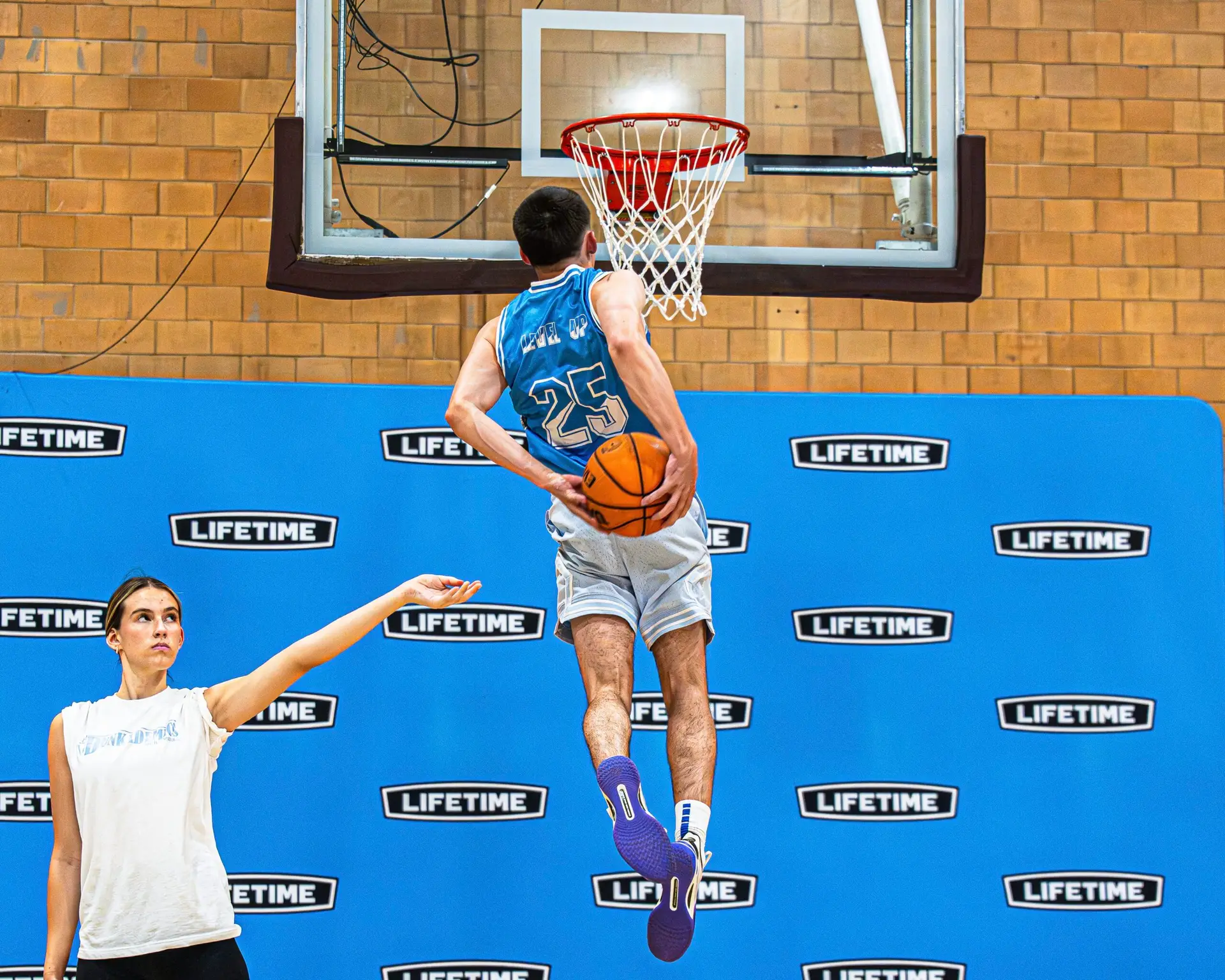
  • Andy’s strategy was psychological from the jump: drawing the first slot in round two, he flipped his plan and led with his hardest dunk, the 360 two-hand Pump, a dunk he’d hit for the first time only a week earlier in Houston, specifically to pressure everyone after him into reaching. It’s the Donovan opener doctrine executed by a guy who’s clearly been taking notes.
  • The rim was a problem: roughly 9’10.5”-9’10.75” and stiff enough that Mason cut his wrist open and Andy left with lingering hand damage. Multiple guys jumped below their norm, and we’re all quietly hoping the camp rim situation improves by June.
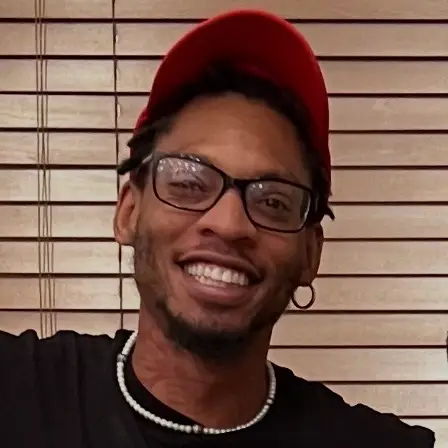
  • Mason Baker’s misses were diagnosable: he attempted a cuff 360 Reverse Windmill (respect for the risk) and later missed dunks that, on replay, failed for one identifiable reason: insufficient arm swing on his gather. He dribbles into dunks with almost no ball-swing momentum; with a technique change those become automatic. He also essentially spent a finals-tier dunk in round two, which is sequencing, not ability.
  • The Hyrum handoff ruling: Hyrum jumped over his little cousin on a handoff, and the judges scored it as a jump-over without a push-off deduction. I dissent, on the record, consistent with myth number four: any held ball is a push-off, even a small one. Andy then demonstrated on camera how much boost a handoff gives him: forehead above the rim. Case closed.
  • The carry-over quirk: Espinosa missing everything in round two and remaining in first place via his round-one average is the format’s strangest output, and the panel’s consensus was that round weighting needs another pass.

The final came down to Andy, Mason, and Espinosa, and Andy closed it out the way he promised on this very podcast: power basics, executed, while others reached and missed. The man called his shot, then hit it.

What this contest taught us

Three takeaways worth keeping. First, formats are strategy: Andy won partly by reading the structure (lead with your best when you go first; bank the guaranteed makes in a one-attempt round) the way contest winners always have. Second, the WDA scoring experiment continues to improve by iteration, and live contests like this are exactly the testing ground the growing-the-sport project needs; every flaw we found here is fixable in the next revision. Third, the talent pipeline keeps producing surprises from outside the community: a volleyball coach walked in, tested 50, and nearly stole a dunk contest on bounce alone. The sport is deeper than its Instagram.

Congratulations again to Andy: see you at camp, champ. He’s “andy.bay” on Instagram and his full contest video is linked in the description. Next episode is Finn Addy hitting his first Underboth. Comment with your verdict on the one-attempt format: genius or robbery?

Scroll to Top