The Dunk Talk
Podcast Created by Dunkers, for Dunkers
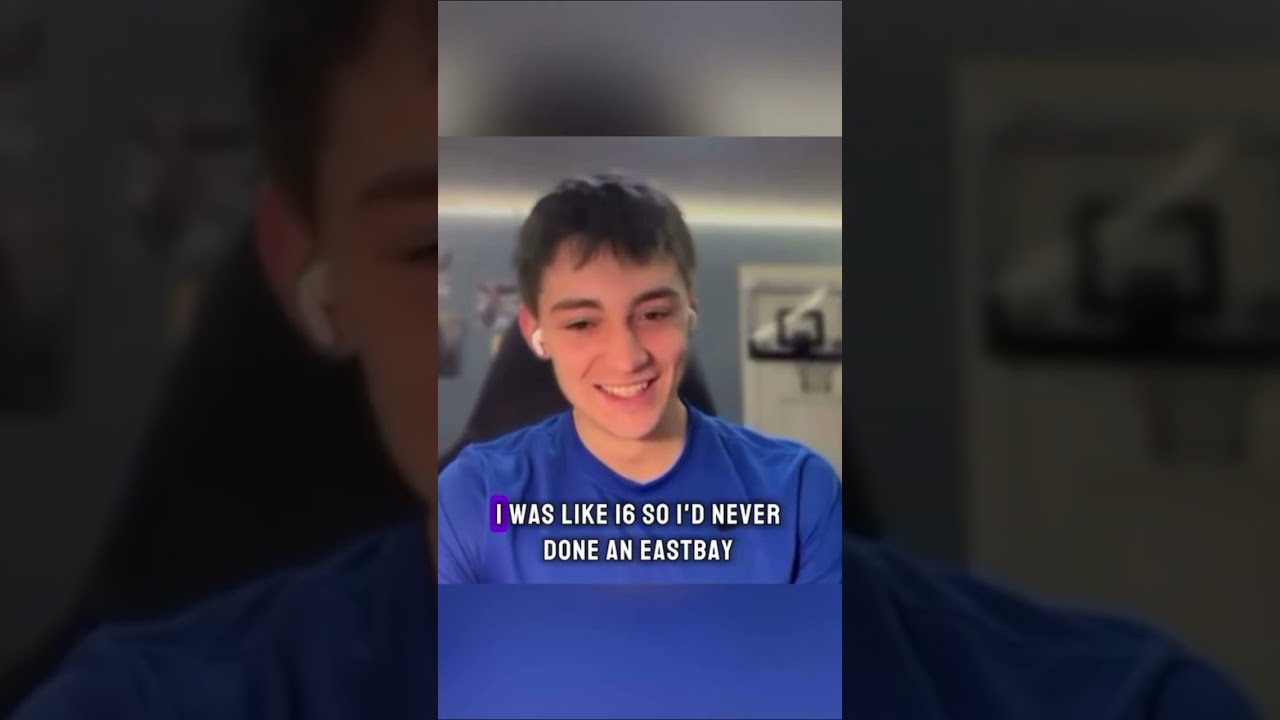
The Dunk Talk is a podcast created by active dunkers, sharing the stories and training insights of top pros and rising athletes. We’ve interviewed leaders in the sport like Jordan Kilganon, Isaiah Rivera, Jordan Southerland, Donovan Hawkins, and Smoove Ukraine, giving listeners an inside look at the mindset and methods behind elite dunking. Hosted by Dylan Haugen and Hunter Castona, the show highlights the culture, technique, and progression of one of basketball’s most exciting niches.
Meet the Host
Dylan Haugen
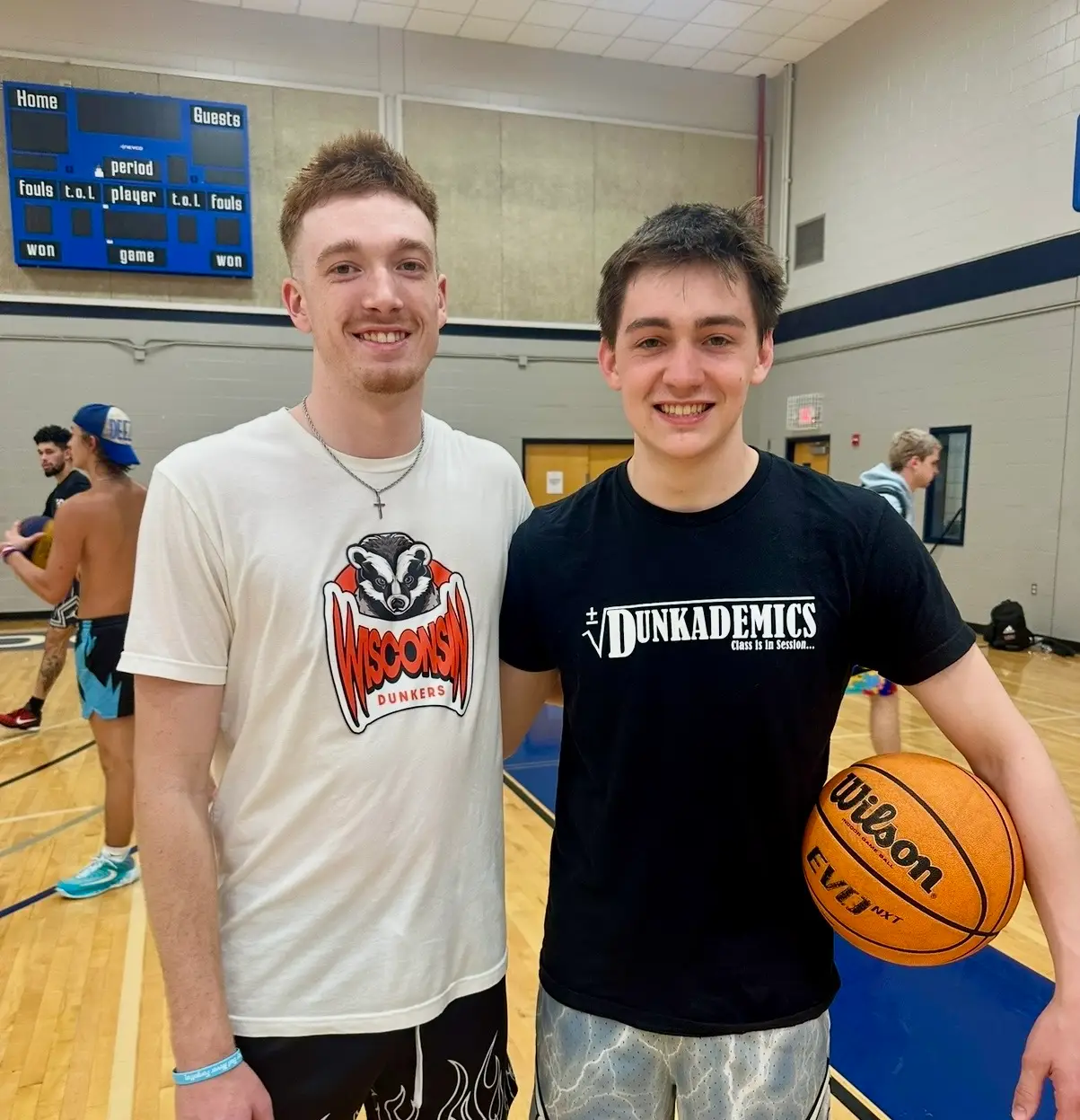
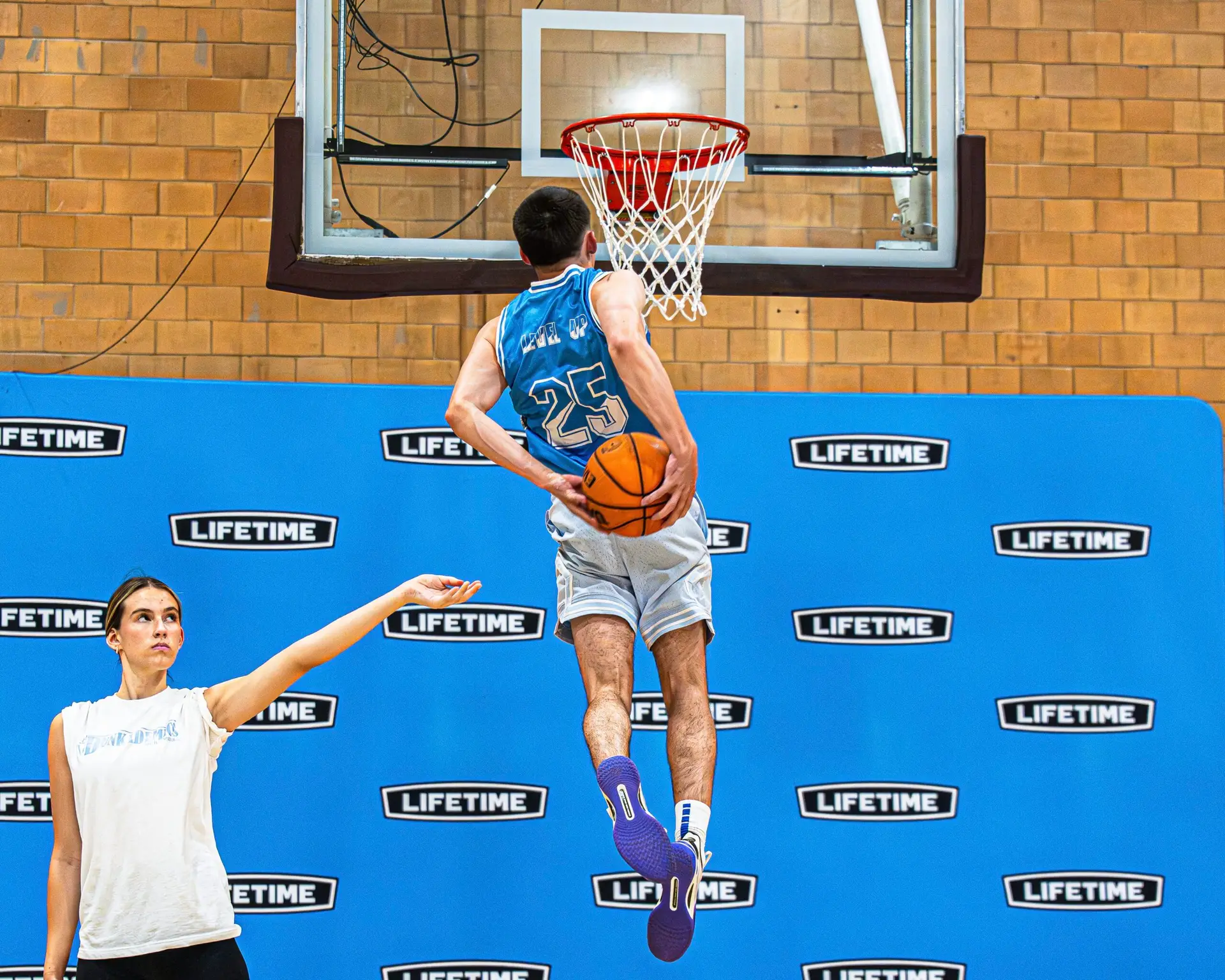
Dylan Haugen is a 5’11”, 18-year-old professional dunker and the founder and host of the Dunk Talk podcast. He is now officially the youngest professional dunker in the world after signing with Shaquille O’Neal’s new DunkMan League. He created the show to highlight elite dunkers, rising athletes, and trainers, giving them a platform to share their stories and perspectives with the dunk community and beyond.
Dylan is highly connected within the dunk community and is driven by long-term goals of becoming one of the best dunkers in the world. He also founded the Minnesota Dunk Squad, where he coaches athletes in the Minnesota area and helps organize dunk contests and show with event organizers.
Elevating the Sport and the People Within It
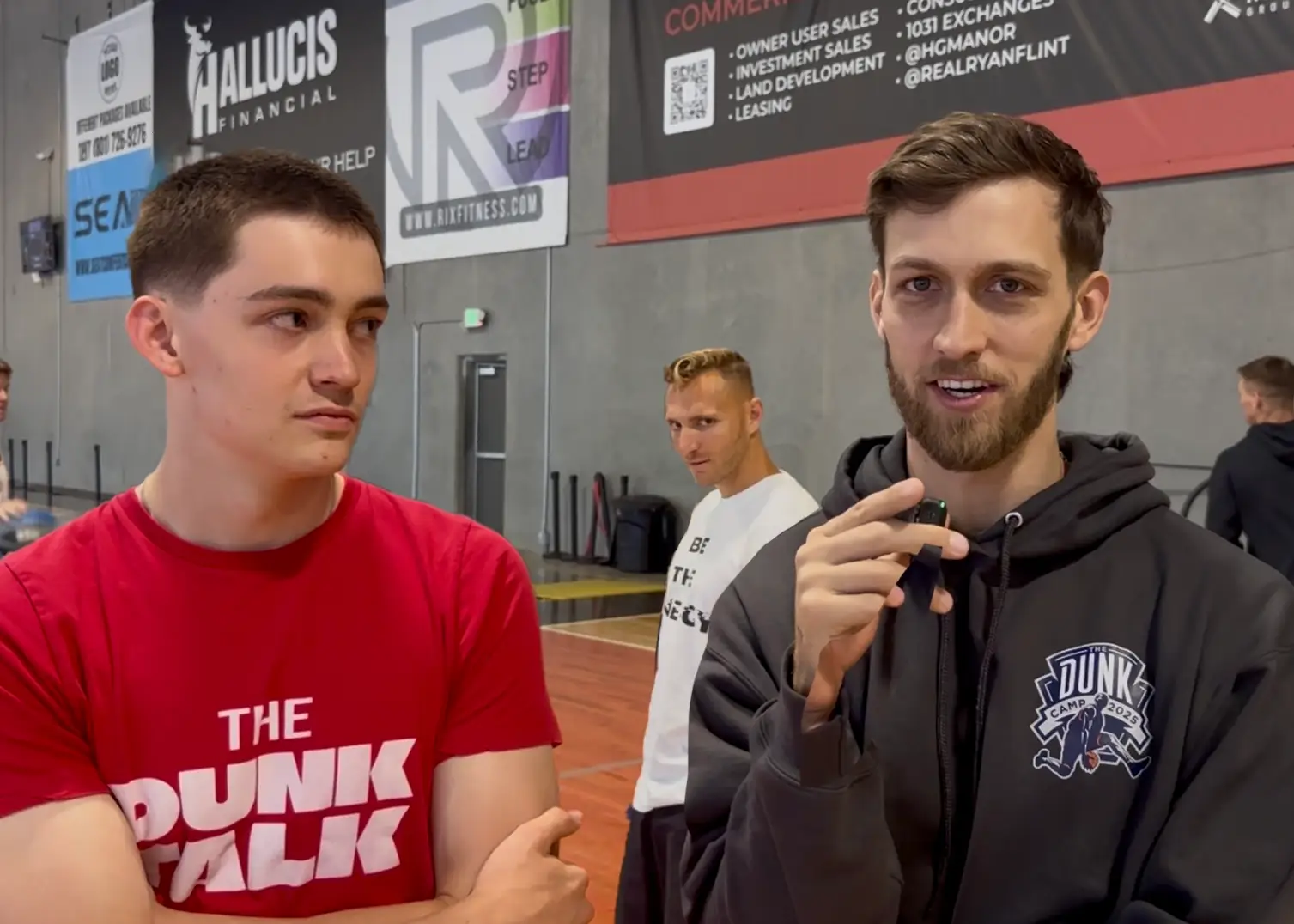
The Dunk Talk exists to elevate the sport of dunking by elevating the people within it. Dunking isn’t just about highlights or single moments, it’s years of work, setbacks, breakthroughs, and relationships that rarely get documented beyond short clips.
This podcast was created to give dunkers, trainers, and creators a space to tell their full stories. From how they started, to how they train, to what keeps them going, The Dunk Talk captures the journeys that would otherwise never be shared. By documenting these stories, the goal is simple: preserve the culture, recognize the people who build it, and help dunking earn the respect it deserves as a real sport and community.
Featured Guests
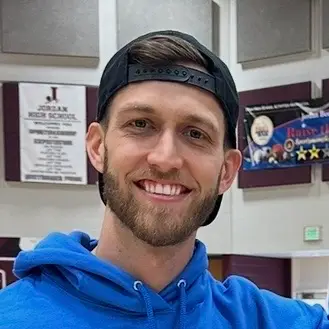
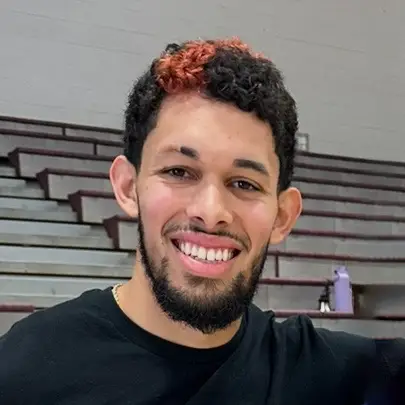
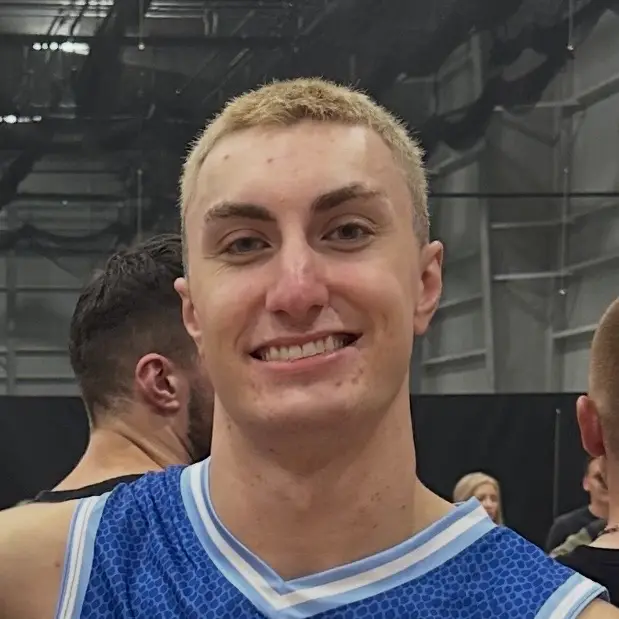
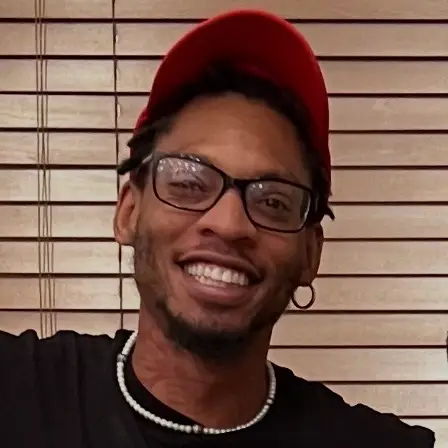
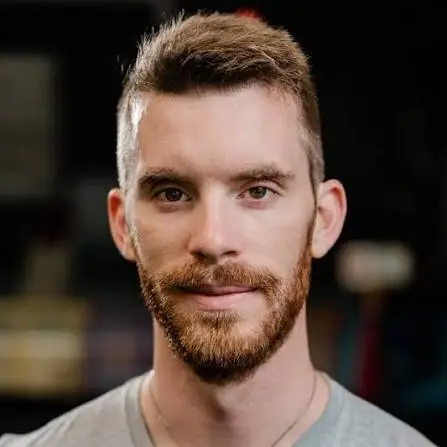
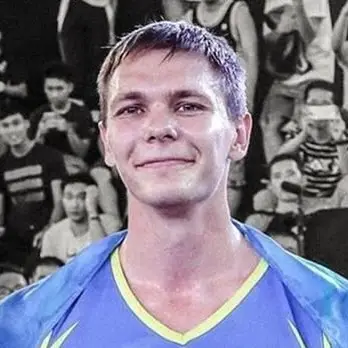
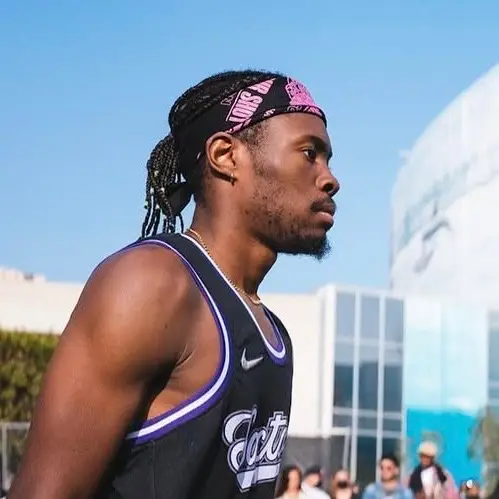
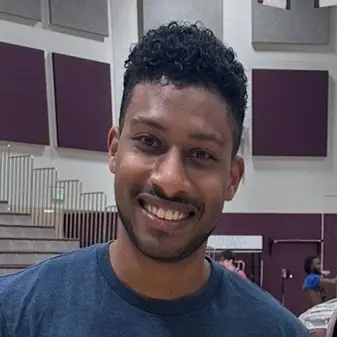
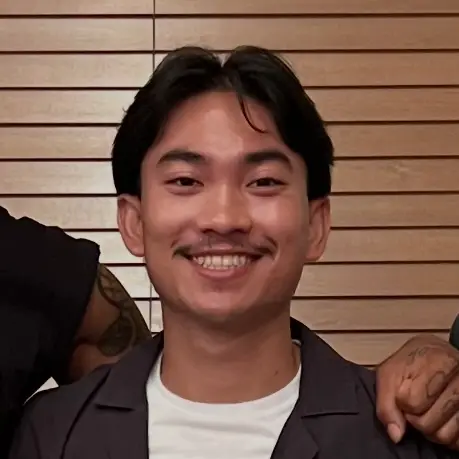
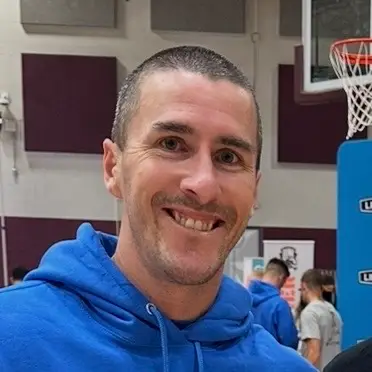
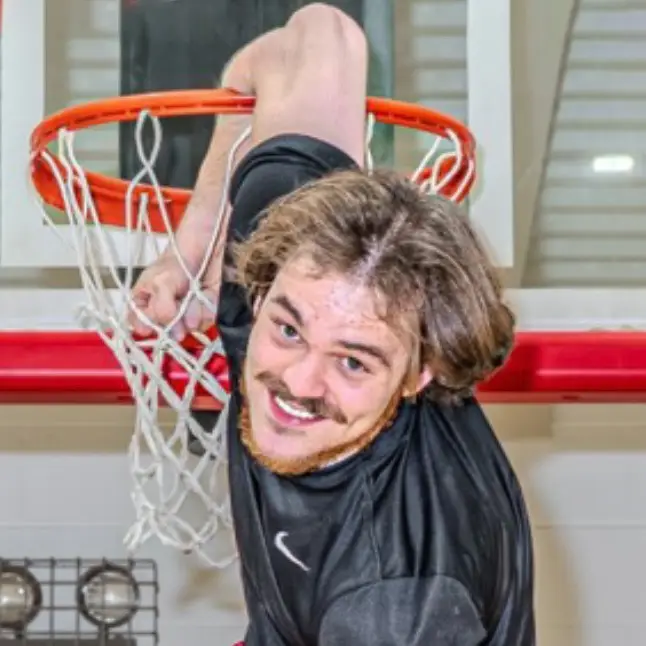
We’ve hosted many of the top pro dunkers, jump trainers, and creators in the sport. Each guest brings their own story, insights, and experience from years in the dunking community. Explore some of the standout athletes and coaches who’ve joined us.
Highlights From Our Top Episodes