Dmytro ‘Smoove’ Kryvenko on Inventing the Game Over, Landing the First Kamikaze, and Dunking Through War and Surgeries

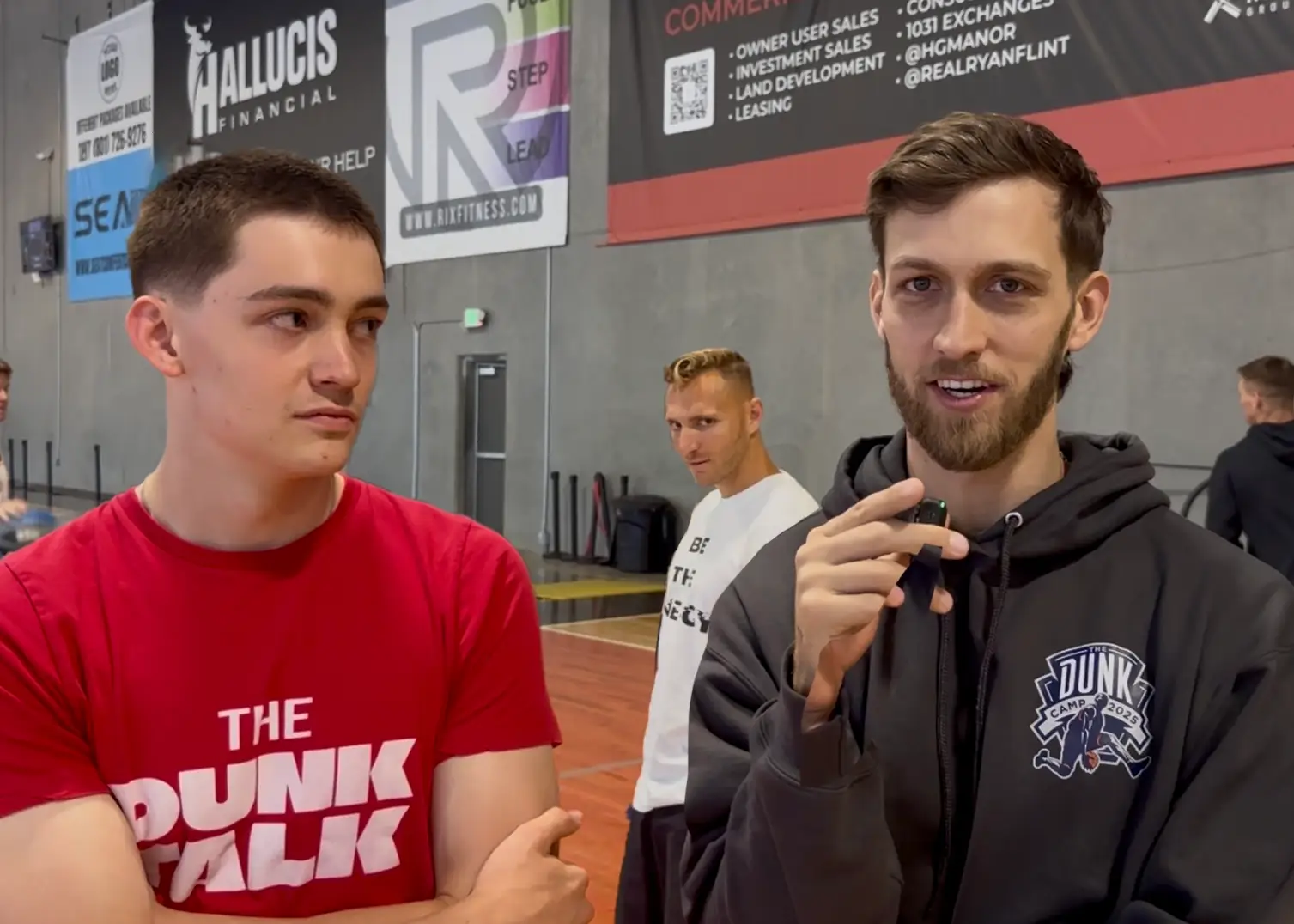
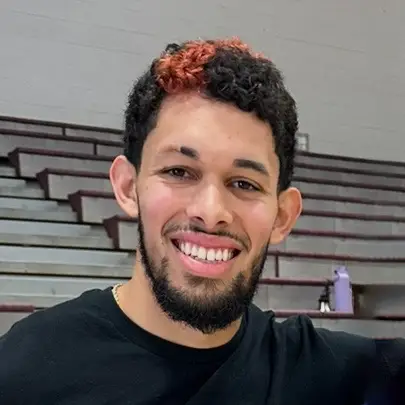
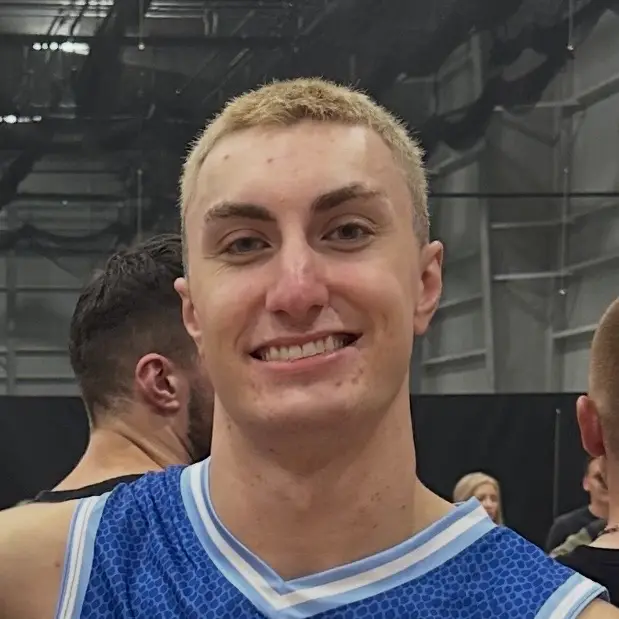
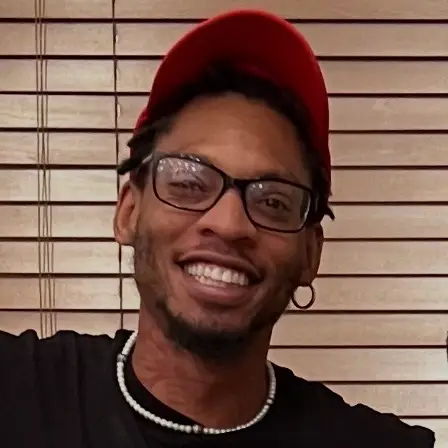
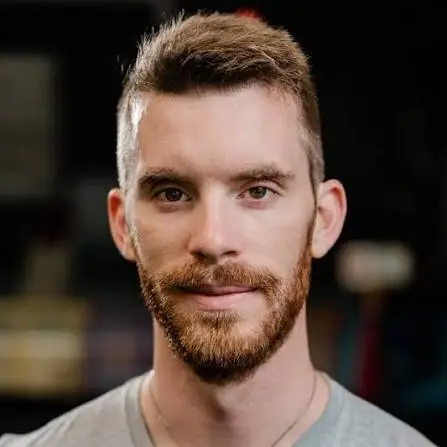
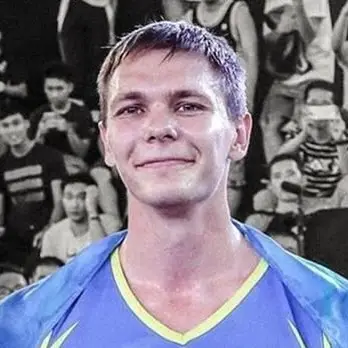
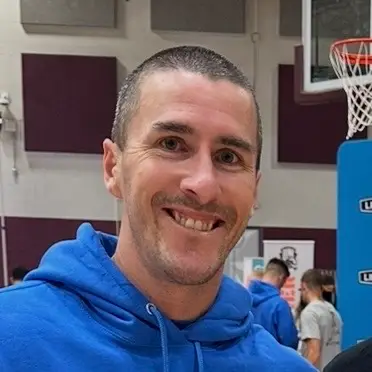
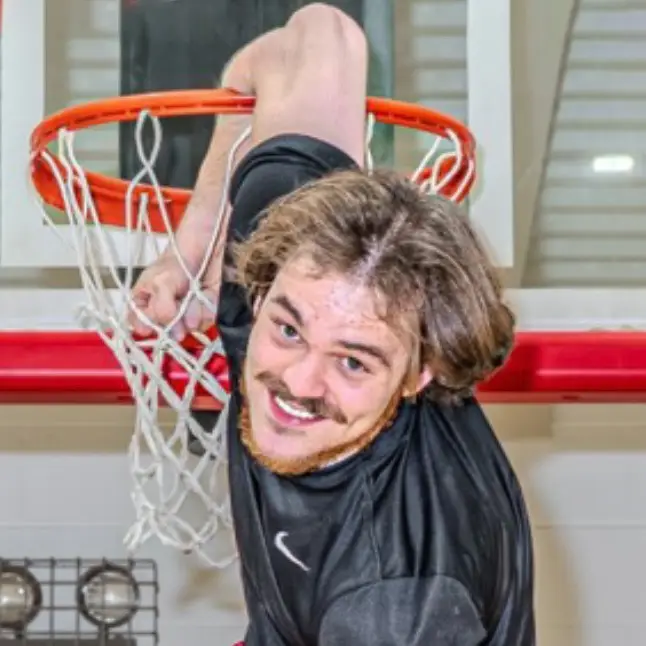
This is episode 37 of the Dunk Talk Podcast and one of the honors of running this show. I’m Dylan Haugen, joined by Hunter Castona, and the guest is Dmytro “Smoove” Kryvenko, Smoove Ukraine, one of the greatest dunkers of all time. Smoove invented the Game Over pass, was the first human to land the Kamikaze dunk on a 10’ rim, founded the Dunk Elite era alongside the biggest names of the 2010s, toured with the Harlem Globetrotters, and is now living in Texas after the war in Ukraine forced the hardest choice of his life. This one runs from 1997 Ukrainian street courts to the modern dunk-group scene, and almost two decades of dunk history sit inside it.

A basketball family in small-town Ukraine

Smoove grew up in a small town in Ukraine in a family where sport was the common language: his father a professional chess player who also played basketball, his brother (eight years older) a professional volleyball player, and the two of them teammates on the local basketball team. Watching Kobe on the one weekly NBA program Ukrainian TV carried (NBA Jam, 25-minute recaps with a top ten) was one thing; watching his own brother windmill in real life was the thing. He tried swimming, taekwondo, chess, and volleyball, and basketball won.

The infrastructure detail that explains a lot about his generation of European dunkers: nothing was regulated. His home court rims sat at 9’10” and 9’8”, the school hoops were random heights, low-rim play was just play rather than practice. His first true 10’ dunk came at 14 in a PE class, no dribble, possibly not even in gym clothes, on a school rim that was actually above regulation. Within a year he had Windmills and double pumps on the 9’8”, building technique low so that the dunks were waiting when the bounce arrived: the exact pattern half our guests describe, two decades earlier.

Three careers at once: player, dunker, trickster

Smoove’s path through Ukrainian basketball is unlike anything in the American system. He went from pure streetball to trying out for his university’s professional team (in Ukraine a university can also be a pro club), made it, played two years in the second and third divisions, and eventually reached the reserve squad of the best club in Ukraine, the equivalent of a G League roster spot. Meanwhile, every 3×3 tournament in the country ran a dunk contest, and from 16 to 18 he won roughly 20 of them, a skinny unathletic-looking teenager beating grown men, for prizes that ranged from nothing to, in one case, a tea kettle.

The third career decided everything. Smoove was also a basketball freestyler, and when his trick crew reached the super final of Ukraine’s Got Talent, the national exposure and the tour that followed taught him the math: tricks and dunks paid like joy, while pro basketball paid in two-a-day practices and body wreckage. At 19 he chose show basketball. The dunk contest stayed his favorite arena for the reason every dunker in this community will recognize: it’s only you. Win or lose, no one else to credit or blame.

YouTube in 2006 and the lesson about posting

Smoove made his YouTube channel in 2006 and uploaded immediately. In 2007, Rudy Gay ran an online contest asking fans to suggest dunks for the NBA contest; 17-year-old Smoove submitted his underhand behind-the-back pass dunk and made the top ten, landing on American sports sites. His takeaway, stated in almost exactly the words Donovan used 17 years later: there are dunkers better than you who nobody knows because they don’t post. Visibility beats raw rank. He posted relentlessly for years before any of it monetized, because the videos were the resume, and the resume is how Team Flight Brothers ran his mix in 2009, and how London called in 2012.

Moscow 2011, London 2012, and the birth of Dunk Elite

His first giant contest was the 2011 Moscow Open: 15 dunkers from across Europe, two days, and a super-final against Tian Milich, the Slovenian legend then 30 years old. Smoove made his dunk, Milich missed his, and the crowd vote gave it to Milich anyway. Milich’s gracious postscript (“I’m 30, my knees are done, you’re 21, the future is yours”) has a beautiful twist: Milich came back in 2024 at age 42 and hit a 360 Eastbay. Nobody’s future is over.

London Midnight Madness 2012 is the contest Smoove calls career-changing. He went head-to-head with Young Hollywood, took second in a result he still disputes with a grin, and the organizer who invited him started a sports agency, signed him, and a year later formed Dunk Elite: the touring team that defined European pro dunking, with Smoove alongside Lil Zeke, Porter Maybery, Justin Darlington, Kristaps Dargais, and Jordan Kilganon. They’re older now. They still travel.

The Game Over

The dunk attached to Smoove’s name forever is the Game Over: behind-the-back self-pass caught between the legs. The lineage he traced for us is a history lesson in itself: Shawn Kemp’s sloppy contest pass planted the seed, Rex Chapman (a low jumper who survived NBA contests on trick passes alone) proved the concept, Terence Stansbury’s under-the-hand pass gave him the first variation to copy at 15. The passes escalated: behind-the-back into a Windmill, then a friend suggested behind-the-back into between-the-legs. Smoove’s recorded response: “It’s impossible. Nobody can do it.” Then he tried it. In a 2009 Ukrainian contest final he hit it on his ninth attempt and named it the Game Over, because at that time no dunk on earth could answer it.

The Kamikaze: three days for the hardest dunk of his life

The Kamikaze story is the best origin story in dunking. At the 2015 Dunk Elite camp in Morocco, Smoove and Kilganon spent the week translating freestyle tricks into dunk concepts. One trick belonged to a Japanese freestyler nicknamed Kamikaze. They found a 7’ rim; it was impossible at first even there; Smoove, with a freestyler’s hands, drilled it until it went, then raised the rim foot by foot. On 10’ it took three days of millimeter misses, the ball slipping at the last instant over and over, before it finally went down in 2016. He calls it the hardest dunk he’s ever made. Kilganon later did it 360 (easier off two feet, Smoove notes, than the straight version) and Isaiah Rivera followed; Smoove would genuinely love to watch them attempt the original non-spinning version. His other favorite: a Windmill Reverse off his own toss in a Hungarian contest, punched first try on a day he was flying, the rare dunk that amazed the dunker as much as the crowd.

Globetrotters, COVID, surgeries, war

The back half of Smoove’s career reads like weather he refused to stop dunking in. A severe knee injury and surgery in 2018. A comeback in 2019 crowned by the viral behind-the-back-pass dribble Windmill against Isaiah at a FIBA contest in Japan, hit while still rehabbing, which got him signed by the Harlem Globetrotters. (His scouting report on Globetrotter athletes: X-Men. He needed a proper warmup to attempt his signature dunk; they catch any alley-oop, any placement, full Windmill, every night, fresh out of college.) COVID ended the tour in 2020 and stranded him home. More surgeries followed. Then the war. He stayed in Ukraine as long as staying was a choice, because his people and family were there, and the rhythm of competing abroad and coming home was the best feeling he knew. Now he lives in Texas, touring with the Harlem Wizards, throwing lobs to Jonathan “Killer John” Edwards, and waiting on a green card he openly campaigned for on the show. Give the man his green card.

Where he is now: 9’10” sessions and a Texas dunk scene

At his current age and mileage, Smoove’s honest self-report: okay shape, recently set back by a pulled muscle and a thumb swollen to triple size after a 360 went wrong, which didn’t stop him from driving to Houston the next day when Kilganon texted “come jump.” The confession that made Hunter and me feel better about everything: he has almost never run his regular sessions on a true 10’ rim. His whole career, sessions live at 9’10”-9’11” because nobody can summon 100 percent every week; contests get the 10’ version, powered not by adrenaline but by what he calls desire. Twelve years after first landing it, he recently hit the behind-the-back-pass behind-the-back dunk again. His stated goals: stay healthy, win one more contest, and measure his vertical for the first time in his life “and not be disappointed.”

He’s also building a Texas scene. He met Dan from Jump Science in his own gym (Dan didn’t recognize him until mid-pickup-game, then opened his phone in disbelief), and they’re assembling an Austin session crew, because in his words, dunking alone is no fun, dunking with one friend is fun, and five people with the same passion is amazing: the same discovery driving Minnesota Dunk Squad and every dunk group we cover. He wants to attend a full Dunk Camp properly, to coach and to jump, after only a drive-by visit in Utah.

Smoove is “Smoove Ukraine” on Instagram, YouTube, and everywhere else. Go study the catalog; half the dunks your favorite dunker does descend from it. Next episode is mine: why I quit basketball to become a pro dunker. Comment with any legend you want us to bring on next.

Scroll to Top