Why We Wanted to Cover This Topic
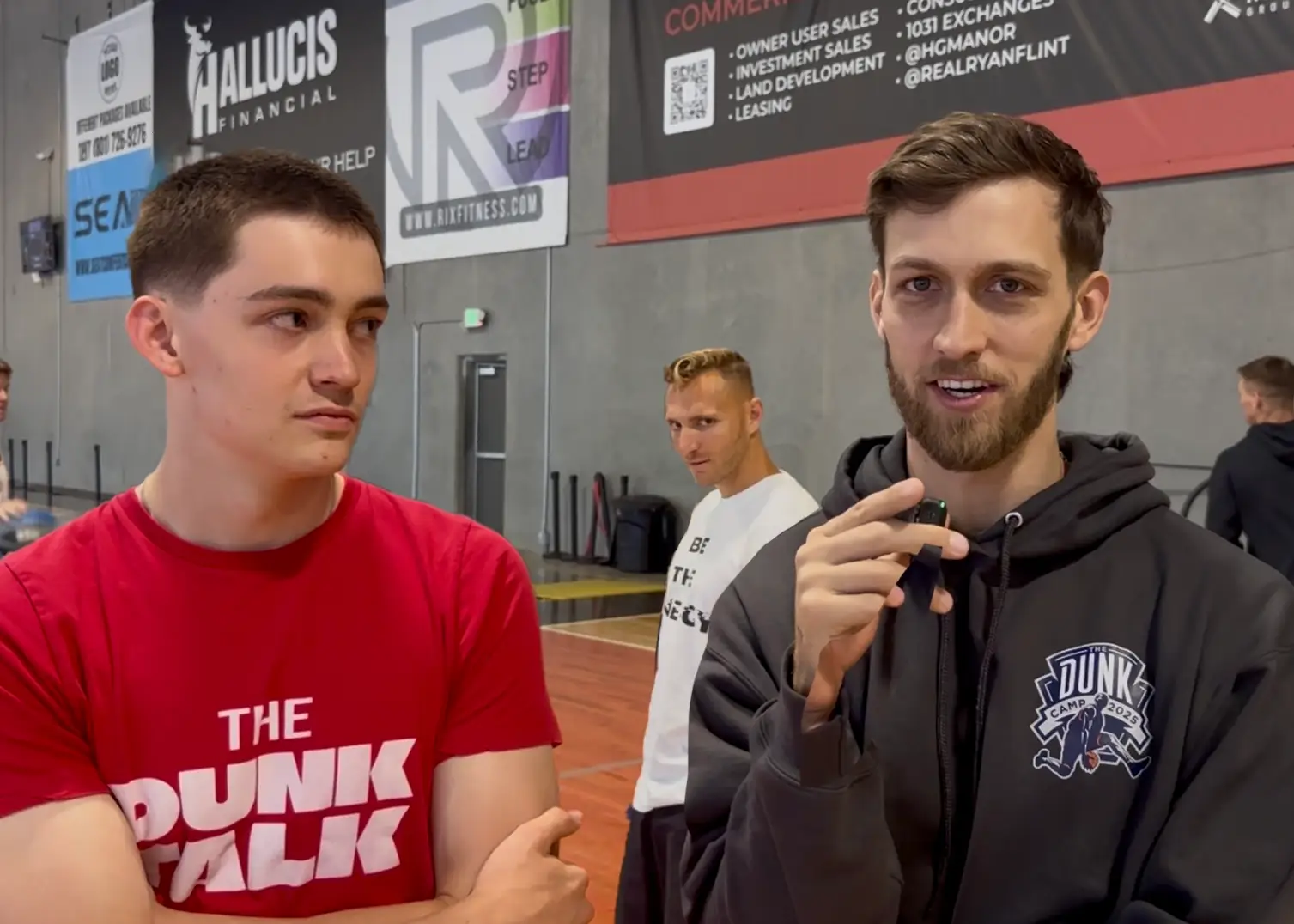
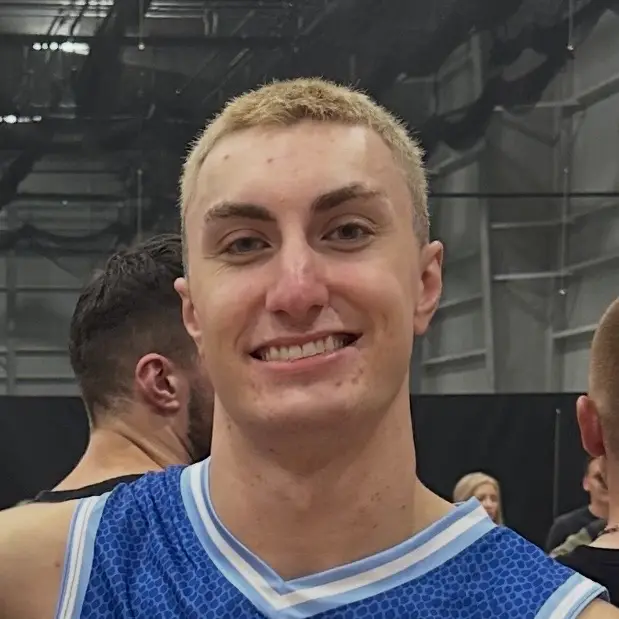
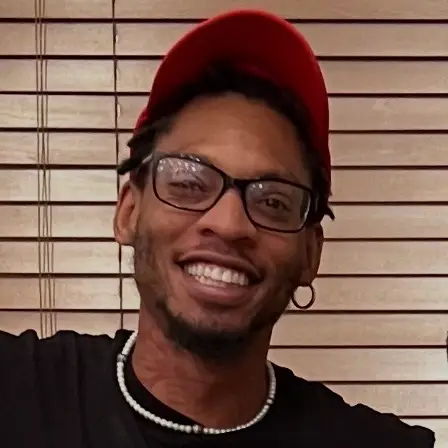
Episode 28 of the Dunk Talk Podcast is a just-me-and-Hunter episode where I (Dylan Haugen) and co-host Hunter Castona sit down to answer one of the most common questions we get: what should a beginner do if they want to start training to dunk? This was one of our filler episodes between guest interviews, and we wanted to make it as valuable as possible for younger athletes and beginners who are just getting started on their dunking journey. The episode runs about 35 minutes and covers everything from athletic background to specific training advice.
Hunter’s Background and How He Got Into Dunking
Hunter shared his athletic journey in detail during this episode. He grew up playing basketball and football, eventually dropping football his freshman year of high school to focus purely on basketball. On the dunking side, he started just being a kid having fun with friends on a low rim. He talked about watching a lot of Hoopy Nate videos when Nate was really young doing stuff on his door hoop. Hunter had something similar in his basement, a setup that was somewhere between a door hoop and a portable outdoor hoop, like a skills hoop that he used to dunk and shoot on constantly. That early exposure to dunking on lower equipment planted the seed for what would become a serious pursuit.
Hunter’s real vertical gains came when he started working with THP about two years before this episode. Before THP he was doing functional training, a lot of balance work and plyometrics but nothing heavy or Olympic-style. Once he got into Olympic lifting through THP, he saw insane gains in his vertical because he had never done that type of stimulus before. His body adapted extremely well to the new training modality, which is a common pattern for athletes who have a solid athletic base but have never trained with heavy compound movements. The takeaway for beginners is that there is a huge window of untapped potential when you first start structured strength training.
The Importance of Playing Sports as a Foundation
One of the biggest points we made in this episode is that young athletes should not skip playing traditional sports in favor of just training for vertical jump. Sports like basketball, football, soccer, and track build an athletic foundation that directly benefits dunking: coordination, lateral movement, reactive ability, sprint mechanics, and general body awareness. Both Hunter and I came from sports backgrounds before we ever started dedicated jump training, and that base made everything else easier.
We also talked about the role that just having fun and dunking on low rims plays in development. When you are a kid, the best thing you can do is get comfortable with the ball above the rim, practice different approaches, and experiment with dunking movements in a low-stakes environment. You do not need a structured program at age 12 or 13. You need to be athletic, play sports, and enjoy the process. The structured training comes later when your body is more mature and ready for it.
Jump Technique Fundamentals
We dedicated a whole section of the episode to jump technique because it is one of the most overlooked aspects of dunking for beginners. A lot of young athletes think dunking is purely about how strong or explosive you are, but technique plays a massive role in converting your raw athleticism into actual rim height. We broke down the basics of the penultimate step, the importance of your arm swing, and how your approach angle affects your jump height. Getting these fundamentals dialed in early can add inches to your vertical without changing anything about your physical fitness.
Hunter and I both emphasized that you should be practicing your jump approach regularly even when you are not in a formal training block. Every time you go to a gym, take some time to work on your approach mechanics. Film yourself and compare it to dunkers you admire. Small adjustments to your timing and body positioning at takeoff can make a surprising difference in how high you actually get.
Puberty, Growth, and Patience
This was a point I felt strongly about including because a lot of our audience is young. I talked about how everyone goes through puberty at different times and how physical maturation dramatically affects your vertical. I used my brother as an example, who is two years younger than me and was about 5 foot 6 at an age where I was already 5 foot 9. The reality is that once you hit puberty, your vertical can jump up by as much as five inches without you doing anything differently, simply because of hormonal changes and physical growth. So if you are 13 or 14 and not where you want to be yet, patience is genuinely the most important thing. Do not compare your timeline to someone else’s because everyone develops differently.
When to Start Structured Training
We discussed when it actually makes sense to start a structured jump training program versus just playing sports and dunking for fun. The general advice was that most athletes should not start serious strength training until they are at least 14 or 15 and have a basic level of physical maturity. Before that, the focus should be on sport participation, general athleticism, bodyweight exercises, and just jumping as much as possible in natural settings like basketball games and pickup sessions.
Once you are ready for structured training, starting with a program that includes the fundamentals like squats, deadlifts, and basic plyometrics is more than enough. You do not need to be doing advanced Olympic lifts right away. Build the base first, learn proper form, and then progress to more demanding exercises as your body adapts. Both Hunter and I wish we had been more patient with our own progressions early on, and the athletes who take their time building a proper foundation tend to have longer, more productive careers without as many injuries. Watch the full episode above for all the specifics on what we recommend for beginners at every stage.