How Can Dunking Become More of a Sport? Donovan Hawkins Weighs In

A Topic That Needed to Be Discussed

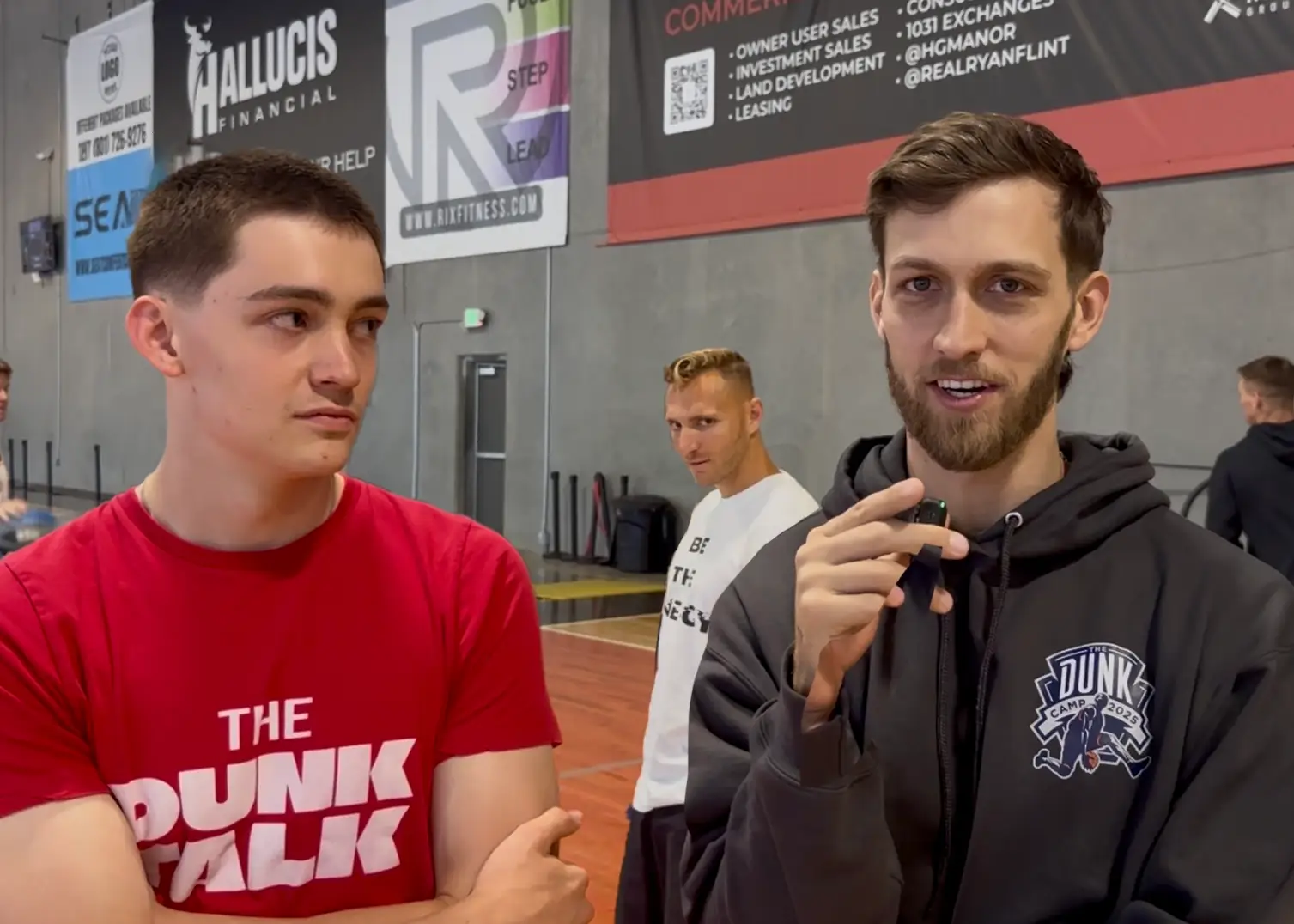
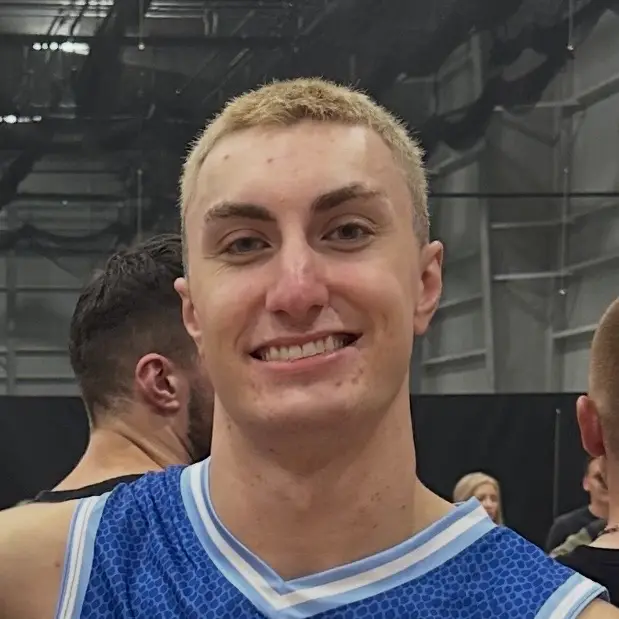
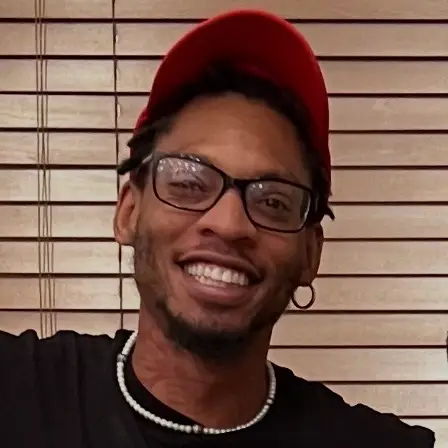
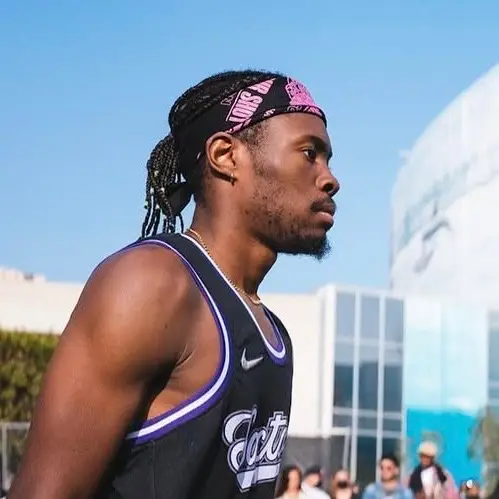
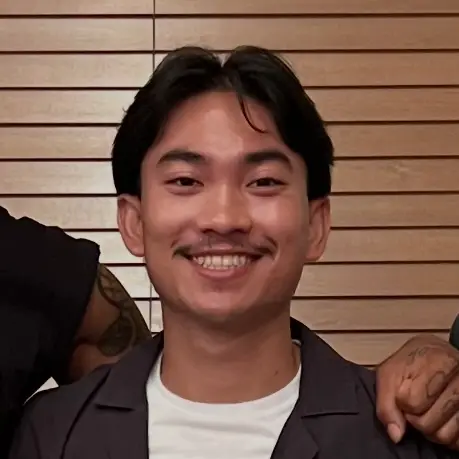
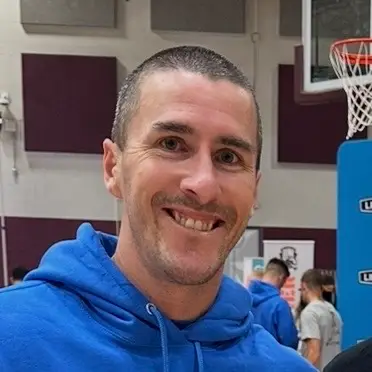
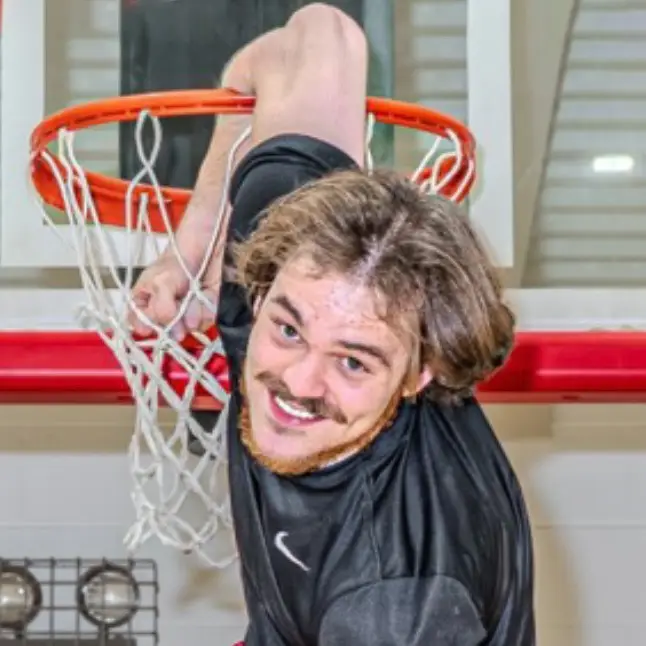
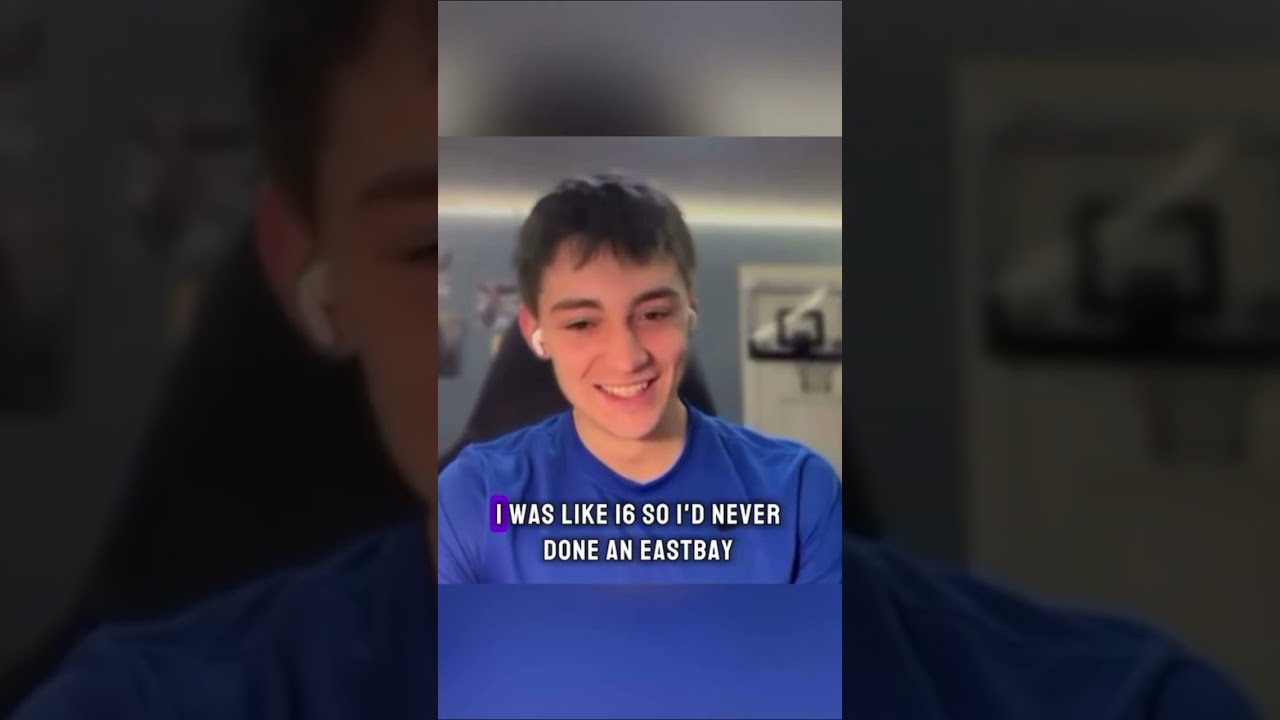
Episode 25 of the Dunk Talk Podcast tackles one of the biggest questions in the dunking community: how can dunking become more of a legitimate sport? I (Dylan Haugen) brought back Donovan Hawkins for his third appearance on the show, alongside co-host Hunter Castona, specifically to have this conversation. Donovan came in introducing himself as a 6 foot 4 pro dunker, and given his recent contest dominance and growing status in the community, his perspective on this topic carried a lot of weight. This had been talked about increasingly, especially with the Olympics bringing attention to niche athletic competitions, and we felt it was time to really break it down.

The Olympics Question and What Dunking Would Need

One of the first things we discussed was whether dunking could ever be an Olympic sport. We looked at it from the angle of other individual athletic competitions like high jump and compared the physical demands. For context, we discussed how the difference between the male and female high jump world records is about 46 centimeters, and Isaiah Rivera’s vertical jump compared to the broader population shows a similar kind of gap. We brought up that Isaiah is not even the most gifted human of all time in terms of genetics, he has just been working incredibly hard for about ten years, and he is primarily a one-foot jumper which correlates more to sprinting ability.

We also discussed whether lowering the rim height for certain categories could work, similar to how other sports adjust equipment. The comparison was made to high jump where the equipment stays the same but the athletes simply clear different heights. The challenge with dunking is that unlike shooting a basketball, the rim itself is what you are interacting with, so changing the height changes the entire nature of the performance. It is a tricky problem that does not have an obvious solution yet, but it was worth exploring.

Fixing the Scoring System

This was probably the meatiest part of the entire episode. If dunking is going to be taken seriously as a sport, the scoring system needs a complete overhaul. I gave the context that scoring in dunk contests has been historically bad, and pointed to the China Dunk Contest as an example of how inconsistent and subjective judging can ruin the competitive experience. Donovan has been doing his part to fix the perception by winning contests with no-prop dunks and performing at the highest level, but individual excellence can only go so far when the system around it is broken.

We broke down several specific scoring considerations. One major debate was whether the type of pass should affect the score. For example, should an under-both off the backboard be scored higher than a self-lob under-both? Or should a dribble setup be weighted differently than a standard toss? Donovan made the interesting point that he would actually rather do an under-both off the backboard in a contest than a basic Dubble Up because the backboard pass is just more natural to him. That highlighted how personal the difficulty factor can be, which is exactly what makes scoring so complicated.

We discussed the idea of separate scoring categories for different elements of a dunk: the pass type, the trick itself, the power and clean execution, and the creativity. A system like this would be similar to how figure skating or gymnastics scores different components separately before combining them into a total score. That kind of structure would remove a lot of the subjectivity that currently plagues dunk contest judging and give dunkers a clearer understanding of what they need to do to score well.

The Dubble Up Debate and Difficulty Perception

One of the more entertaining tangents was the Dubble Up debate. We got into whether Dubble Ups should be scored higher or lower than other passes, and the conversation revealed just how differently each dunker experiences difficulty. Donovan admitted that he has never actually done a Dubble Up, which surprised both me and Hunter. So by that logic, for Donovan specifically, a Dubble Up would technically be harder than some of his signature moves. That led to a funny exchange where we pointed out that Donovan would be more scared to do a regular Dubble Up in a contest than a 360 eastbay, which sounds ridiculous but is genuinely true based on his skill set.

This part of the conversation really drove home the point that any scoring system needs to account for objective difficulty rather than just what looks impressive to a casual viewer. A dunker doing something outside their comfort zone should theoretically be rewarded, but how do you quantify that in a way that is fair across competitors? It is the kind of nuanced question that sports like gymnastics have spent decades refining, and dunking is still in the early stages of figuring it out.

Standardization and Professionalism

Beyond scoring, we talked about the broader infrastructure that dunking would need to become a real sport. That includes standardized rim heights that are verified and consistent across events, professional-quality venues, consistent rules and formats, qualified judges who understand dunking at a deep level, and a governing body that oversees everything. Right now the dunking community has none of that in any formal sense. Events are organized by different people with different rules, rim heights vary wildly, and judging panels range from knowledgeable to completely random.

Donovan brought a valuable perspective here because he has actually competed at the highest level across multiple events and has seen firsthand how the lack of standardization affects outcomes. When a dunker shows up to a contest and the rim height is different from what they prepared for, or the judging criteria seem arbitrary, it undermines the competitive integrity of the whole event. For dunking to be taken seriously as a sport, these basic elements need to be locked down.

Part One of a Bigger Conversation

We ended the episode by noting that this was really just part one of a much larger conversation. The topic is too complex and too important to cover in a single episode, so we committed to bringing on more guests with different perspectives to continue exploring it. The goal is not to have all the answers right now but to start the conversation in a serious way and build on it over time. If you care about the future of dunking as a competitive discipline, this episode is essential listening. Watch the full conversation above and stay tuned for part two with additional guests weighing in on how we can push dunking forward.

Leave a Comment

Your email address will not be published. Required fields are marked *

Scroll to Top