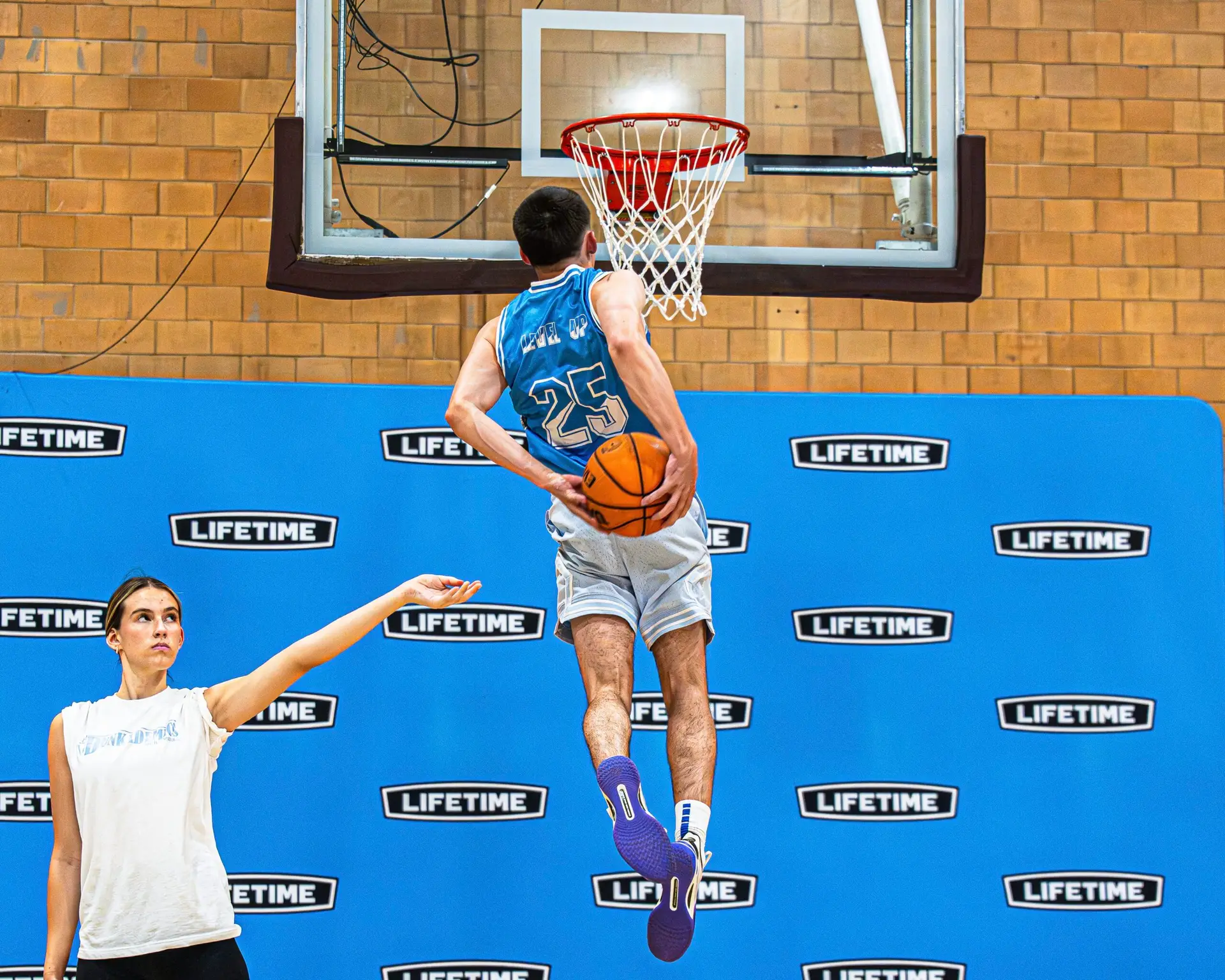
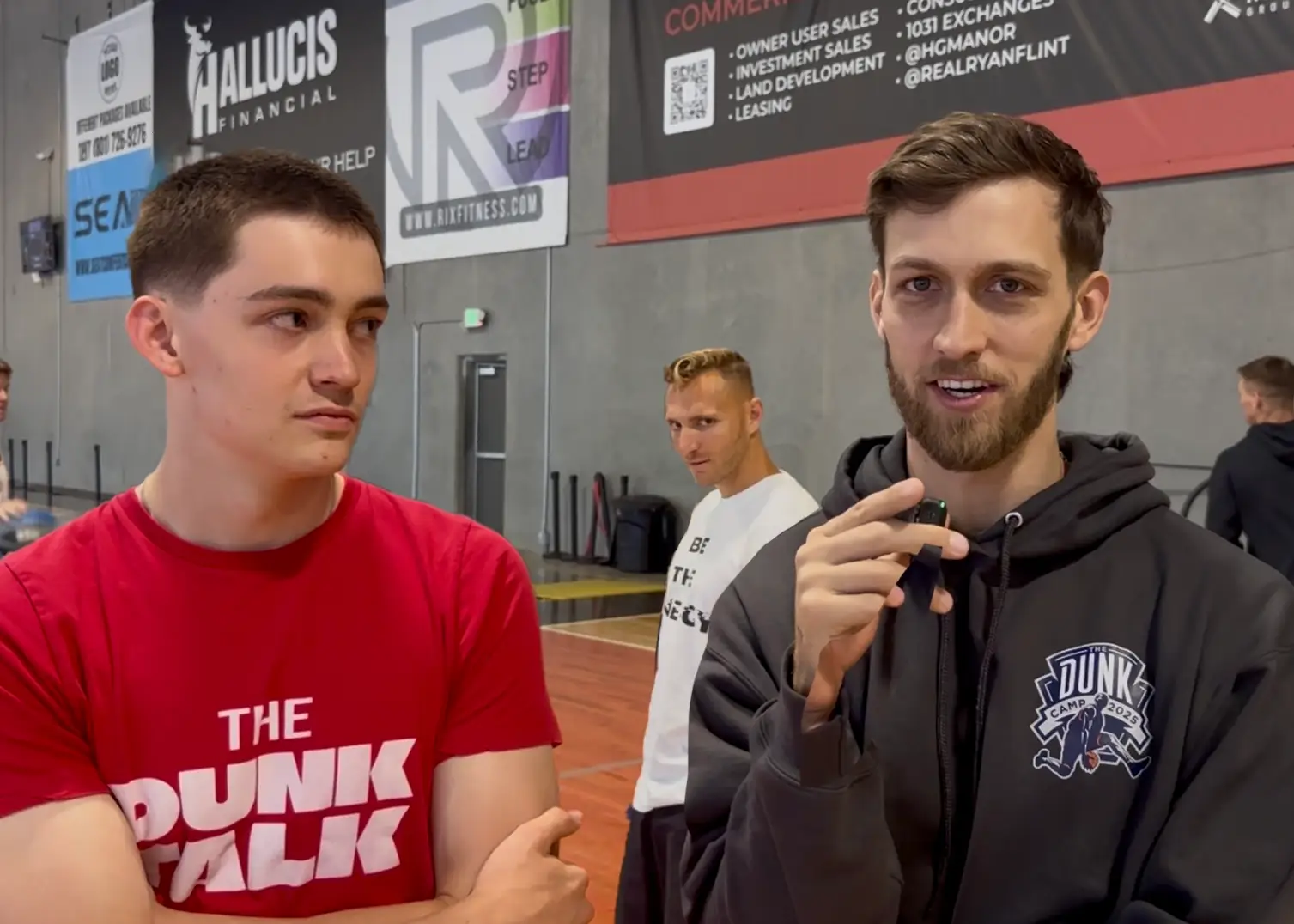
Shoes are one of those things that most dunkers do not think about nearly enough. I (Dylan Haugen) brought on Shankar Iyer — the guy behind Above the Rim Reviews on Instagram (@abovetherimreviews and @iyergohigher) — to break down what actually matters when it comes to dunking footwear. My co-host Hunter Castona joined as well, and what started as a shoe conversation quickly turned into one of the most technical and fascinating episodes we have done on Dunk Talk.
Shankar is, without exaggeration, the most knowledgeable person I know when it comes to basketball shoe technology. He does not just wear shoes and say they feel good — he breaks down the actual engineering, the materials science, the rubber compounds, the carbon fiber plates, all of it. If you have not checked out Above the Rim Reviews, you are missing out on some of the most detailed shoe breakdowns in the dunking and basketball space.
Shankar’s Dunk Journey and How He Got Into Shoes
Before we got into the shoe deep dive, Shankar shared his own dunk journey. He is not just a reviewer sitting on the sidelines — he is an active dunker who tests every shoe he reviews through actual jumping and dunking sessions. That combination of hands-on athletic experience and deep technical knowledge is what makes his perspective so valuable. He talked about how his love for dunking naturally led him to obsess over footwear, because he realized early on that the shoe you wear directly affects how you perform on the court.
What Actually Makes a Shoe Great for Dunking
This is where Shankar really went off. He explained the key factors that separate a great dunking shoe from a mediocre one, and it goes way deeper than most people think. Traction was the first thing he brought up — and he clarified that it is not about the pattern on the outsole, it is about the rubber compound itself. The best traction comes from soft, grippy rubber that sticks to hardwood regardless of dust and debris.
Then we got into carbon fiber plates, which have become a huge talking point in basketball shoes. Shankar broke down the actual physics — carbon fiber has a flexibility-to-rigidity ratio that makes it incredibly responsive while staying lightweight. When you load into a jump, the carbon fiber plate stores energy and snaps back, essentially acting like a trampoline under your foot. However, this generally only applies when the plate is a part of the shoe, not an insole added later one. The shape and placement of the plate matter enormously, and not all carbon fiber implementations are equal.
Shankar’s Top Shoe Picks for Dunking
Shankar brought out his actual top picks and went through each one. The Way of Wade series stood out as his current favorite — he described them as lightweight with perfect traction on every floor he has tested them on, plus the embedded carbon fiber plate just feels like a trampoline during takeoff. He acknowledged they are not the most comfortable shoes for lounging around, but for on-court performance, they do everything right. Super sleek, decently bouncy, good cushion, great traction.
We also talked about the Kobe 6, which is a shoe that a lot of dunkers swear by. Shankar’s take was similar to what most people say: the Kobe 6 does everything right even though it is not perfect at any single thing. The one concern that came up was durability. I mentioned that Tony Crosby had raised durability issues with the Kobe 6, and Shankar said he buys reps and cycles through shoes frequently enough that durability has not been a major issue for him personally.
The Unpredictability of Your Best Jumping Days
One of the most relatable parts of the conversation was when we got into how unpredictable your best jumping days can be. I shared a story about how two days before I hit my first one-foot Eastbay, which honestly came out of nowhere, I had a terrible session on a 9-foot-9 rim where I could barely get anything done. And then on the actual day, everything just clicked. Shankar and Hunter both had similar experiences, sometimes your best legs come after a competitive pickup game, not after a perfectly planned training day. There is a randomness to peak performance that no amount of shoe technology can fully control, but the right shoe can absolutely give you the best chance of capitalizing when those days happen.
How Shoe Choice Relates to Injury Prevention
We spent a good chunk of time talking about how shoe choice intersects with injury prevention, and Shankar dropped some genuinely important information here. He talked about how cushioning that is too soft can actually be worse than a firmer platform because it absorbs energy that should be going into your jump, and it can also create instability during lateral movements and landings. The ideal shoe for dunking strikes a balance, enough cushioning to protect your joints on landing, but firm and responsive enough to maximize energy return during takeoff.
I brought up my own ankle injury and how shoe choice played a role in my recovery and my confidence getting back to full jumping intensity. When you have dealt with a serious injury, trusting your footwear becomes a psychological factor as much as a physical one.
Final Thoughts and Recommendations
If you take one thing away from this episode, it is that your shoes matter more than you probably think. Shankar’s approach, actually understanding the materials, the engineering, and the biomechanics of how a shoe interacts with your body during explosive movement, is the standard every serious dunker should aspire to. Stop buying shoes based on how they look and start evaluating them based on how they perform. Follow Shankar at @iyergohigher and @abovetherimreviews on Instagram for the most thorough shoe breakdowns in the game.